Latest Articles
Culinary nutrition handouts, tips & recipes — where delicious meets smart.
New Recipes
Latest Member Newsletter
Professional nutrition education resources created by a CIA-trained chef and educator — because the best health advice means nothing if individuals don't know how to cook it.
Trusted by dietitians, WIC coordinators, school nutrition programs, and public health agencies nationwide. Members get a searchable library of 1,650+ ready-to-use handouts, 240+ PowerPoint presentations, 900+ recipes, cooking video lessons, interactive games for classes and health fairs, and fresh content every month — including a ready-to-share PDF newsletter and a white-label version, written by RDs and a CIA-trained chef, fully customizable in Canva.
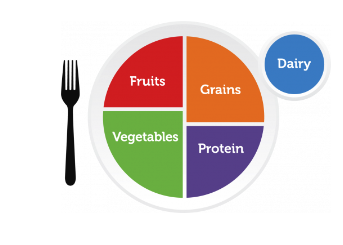
New this year: a health observances calendar with direct links to resources for every major observance, and a suite of eight interactive health calculators — BMI, calorie needs, hydration, blood pressure, cholesterol, heart risk score, diabetes risk, and MyPlate daily score — with clinical reference charts and references built in.
Click any card below to explore. Members go straight to the content. Not a member yet? You'll be invited to join.
Stir It Up: Cooking Videos
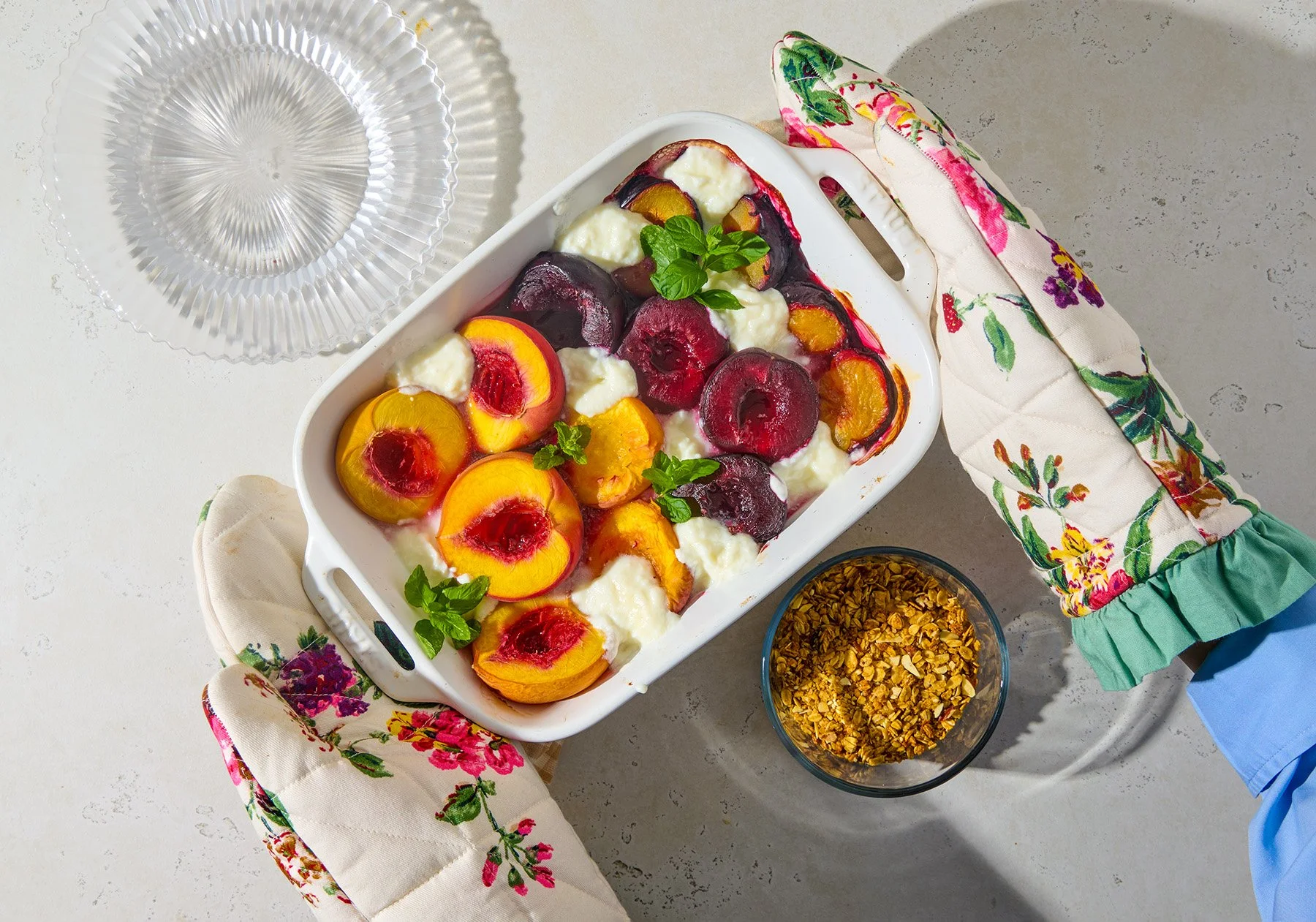
Juicy peaches and plums baked until soft and caramelized with honey, then topped with creamy Greek yogurt and crunchy granola while still warm — a simple, wholesome summer dessert or breakfast.
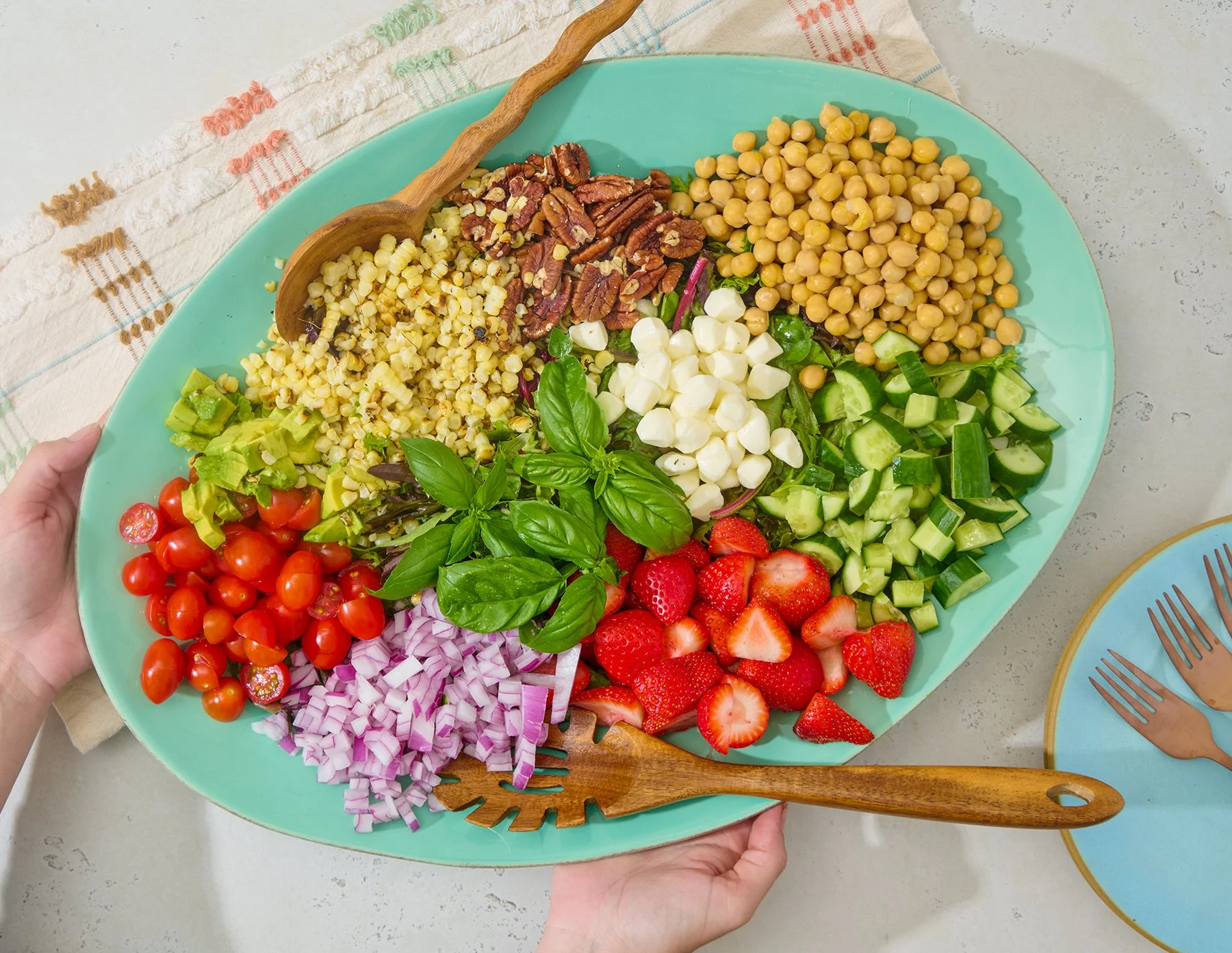
A vibrant summer salad with charred grilled corn, juicy strawberries, creamy avocado, and mozzarella pearls, tossed in a simple homemade Italian vinaigrette and finished with fresh garden basil.
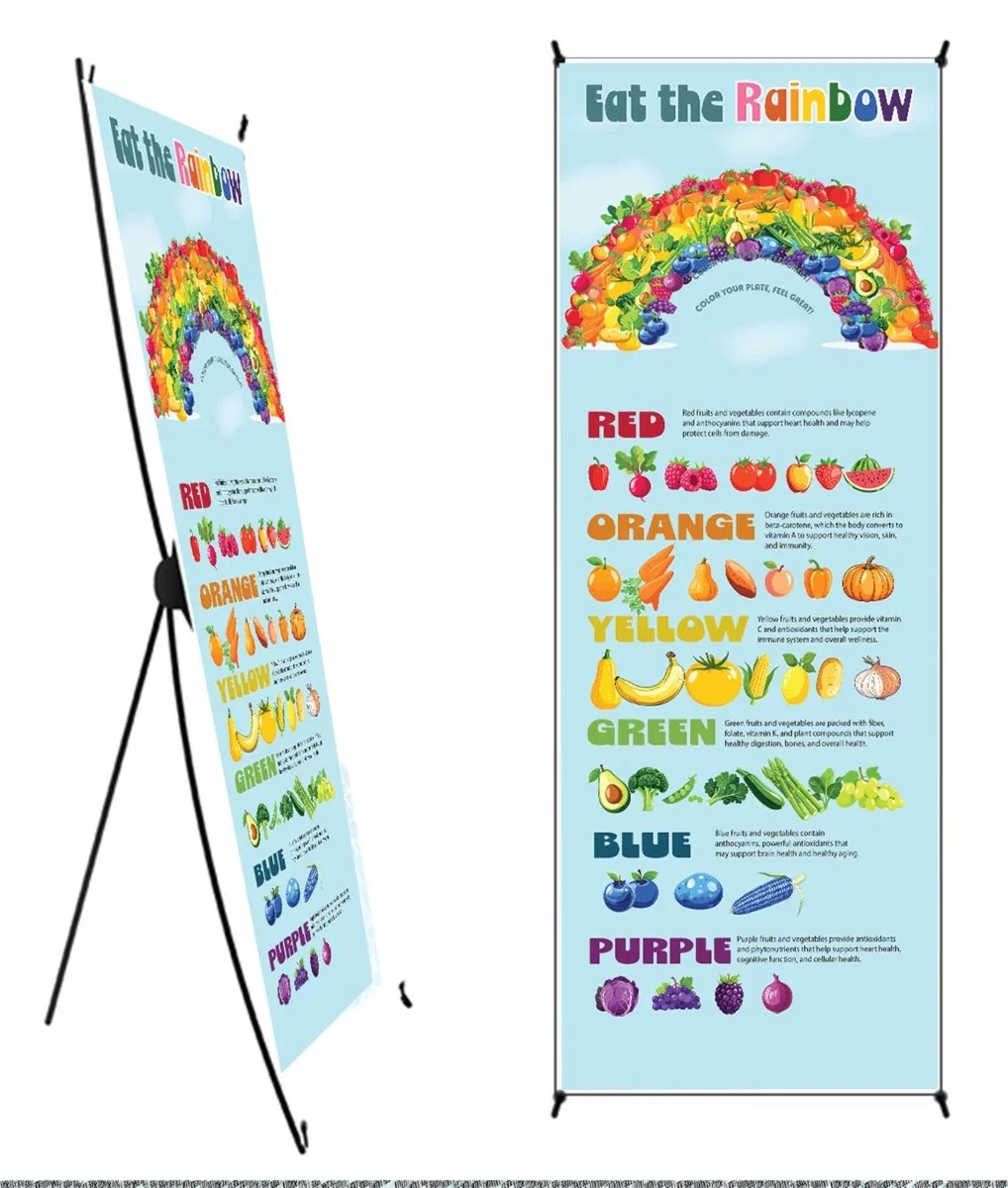
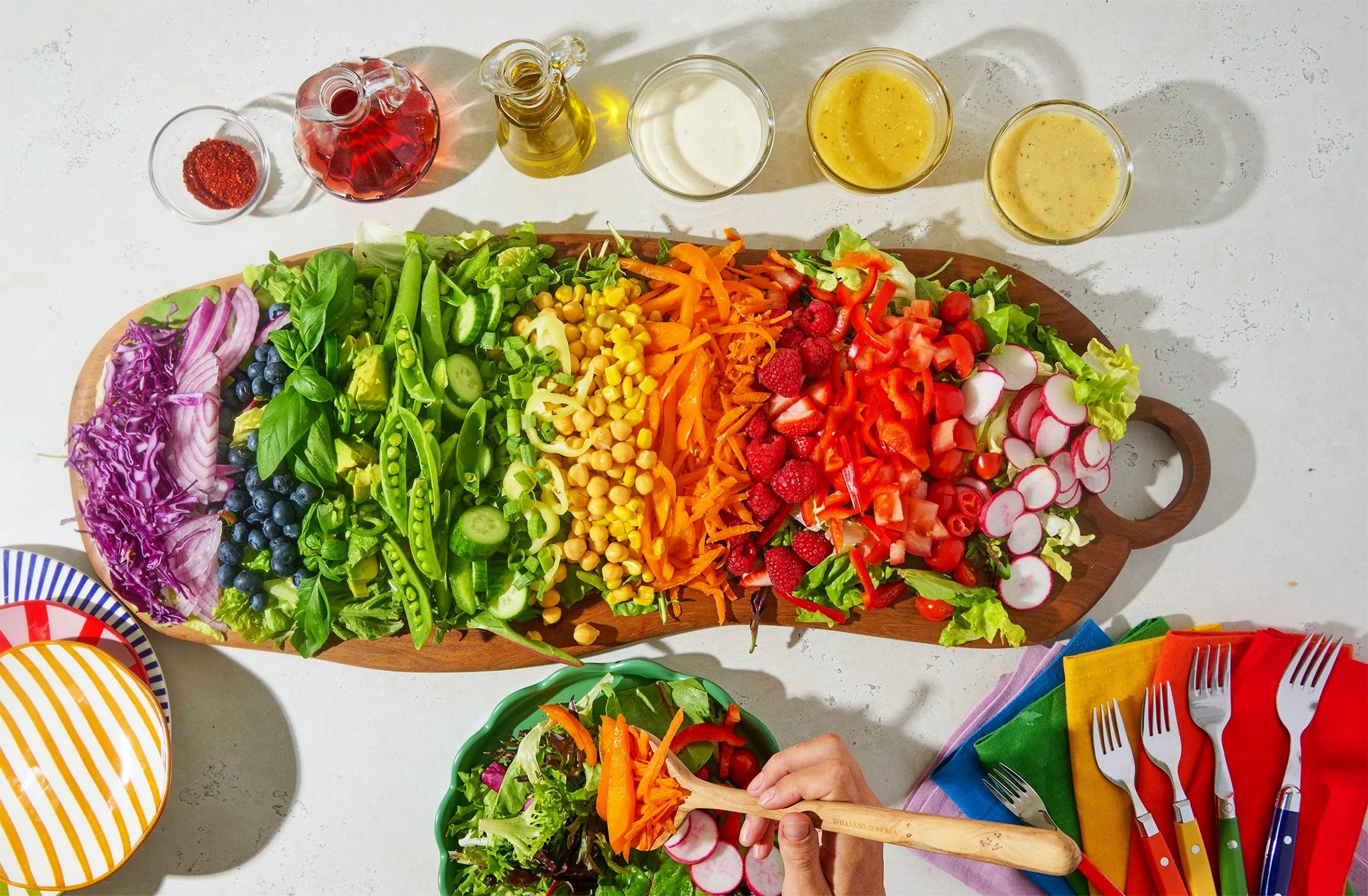
In this video, we turn that idea into something you can actually see. We're building a rainbow salad grazing board using lettuce, radishes, tomatoes, berries, orange peppers, carrots, corn, chickpeas, cucumber, green peppers, green onions, snow peas, avocado, jalapeño, fresh herbs, red onion, blueberries, and red cabbage, arranging every color of the rainbow across one board, then dishing it up into a salad you can build your own way. On a board like this, a mix of colors is also a fast built-in check: if a section looks like it's missing a color, it's likely missing a whole category of nutrients too. It's proof that eating well doesn't have to look plain. When you fill your plate with color, you fill it with nutrition at the same time.
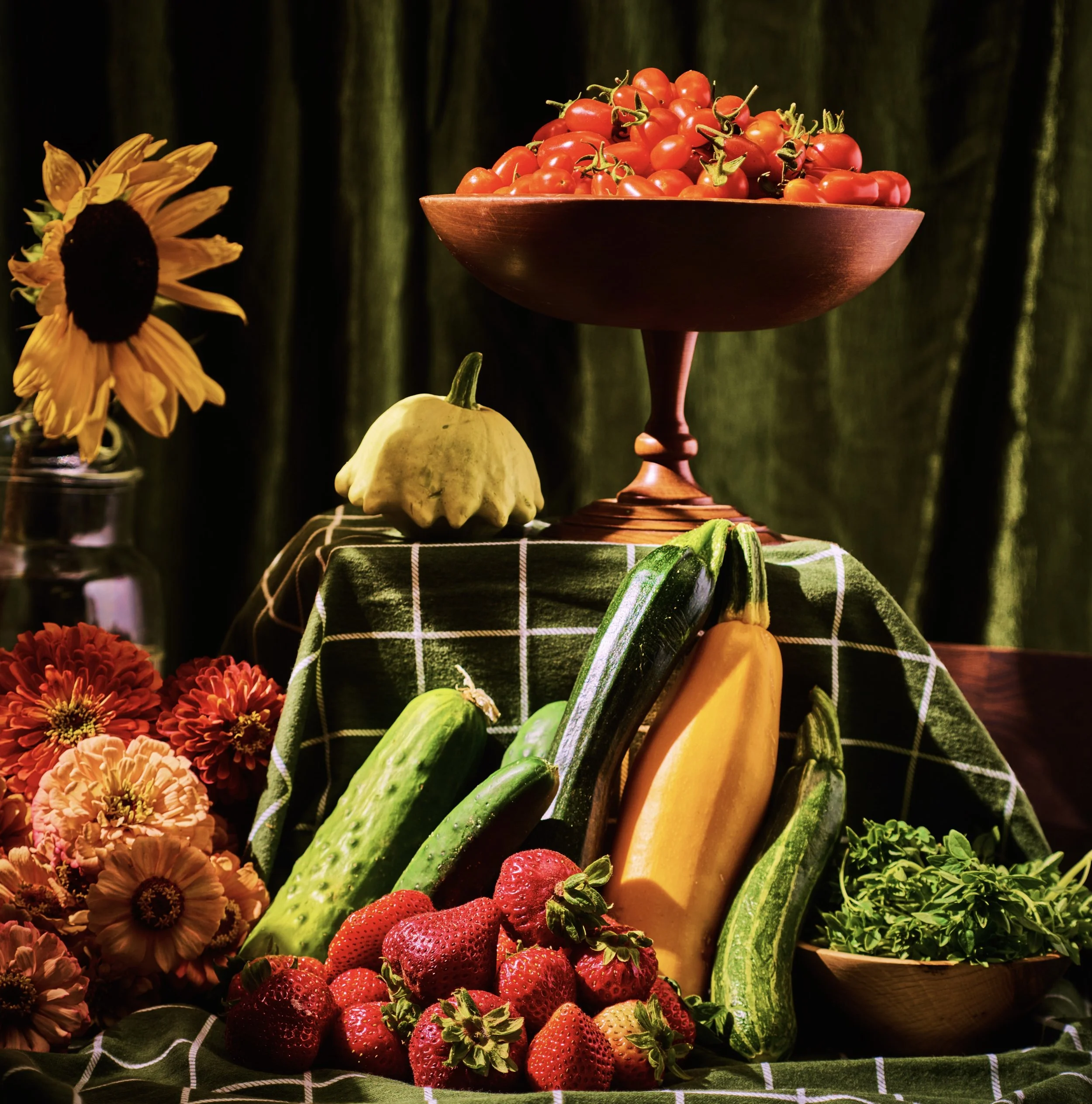
I visited a local farm stand near my house and then came home to make dinner. Summer squash, cucumbers, grape tomatoes, micro-basil, watermelon, and strawberries are on the menu.
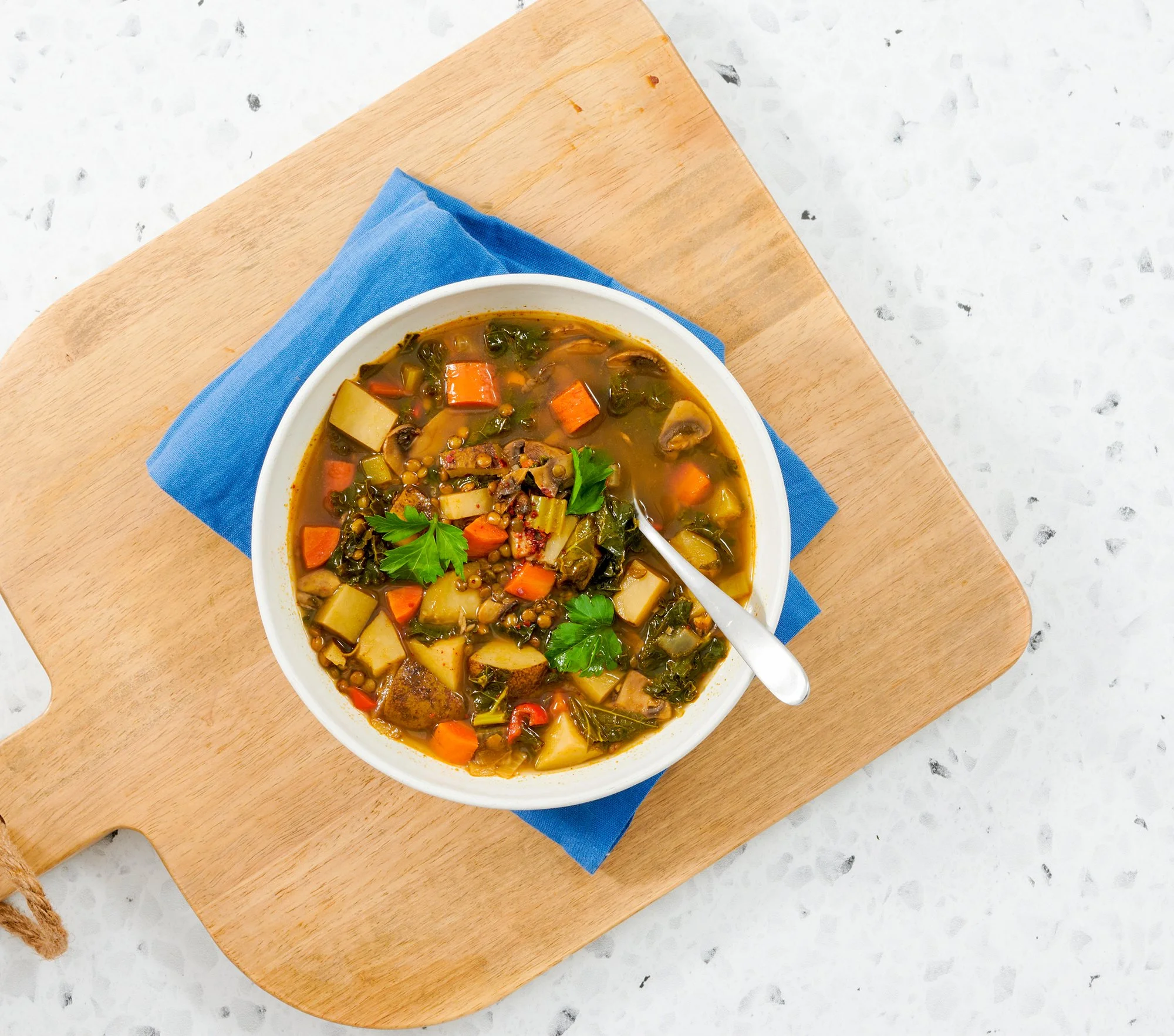
This hearty soup cooks in 30 minutes. Lentils don't need soaking, providing a wealth of nutrients and fiber. The variety of veggies, including mushrooms, curly kale, carrots, and potatoes, make the soup an entire meal that is great for a weeknight.
Members Reading Now
If it's been a little while since you last poked around your member area, you're in for a surprise. We've spent the last stretch rebuilding, expanding, and streamlining almost everything you use week to week — from the handout library to the calculators to how you print a lesson for class. Here's the full rundown.
If you’ve ever known someone with pre-diabetes, they may have been told that weight loss will lower their blood sugar. While research still supports this advice, a recent study suggests that lifestyle and diet changes alone may move the needle. 1, 2
Summer is a great time to enjoy the outdoors, but too much sun and heat can lead to sunburn, dehydration, heat exhaustion, and heat stroke. A few simple habits can help keep you healthy all season long.
The DASH diet isn't just about cutting sodium — it's just as much about adding in vegetables, fruits, and legumes. These three lunches do both at once, and every one of them ends the same easy way: fresh fruit for dessert.
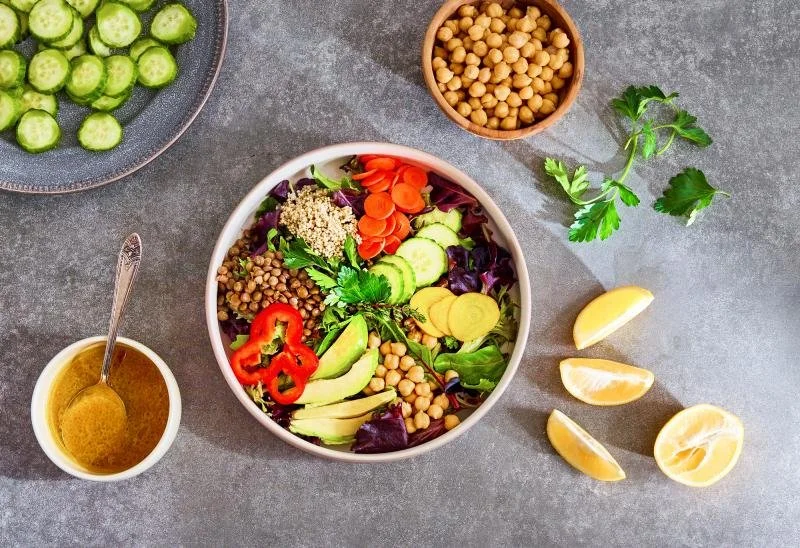
Dense Bean Salads (often called DBS on social media) are hearty, meal-prep-friendly salads built around beans instead of leafy greens. Unlike traditional salads that wilt after a day, dense bean salads are designed to be packed with fiber-rich ingredients that hold up well in the refrigerator for several days, making them ideal for healthy lunches and quick dinners.
Micro-Prepping: Cook Once, Serve Twice
Meal prep doesn't have to mean spending an entire Sunday chopping vegetables and filling rows of containers. A simpler approach is micro-prepping—doing a little extra each time you cook so future meals come together faster and with less effort.
The idea is simple: whenever you're making a meal, prepare extra ingredients or portions for another meal later in the week. You're already washing, chopping, cooking, and cleaning. A few additional minutes can save you much more time later.
Being chronically stressed is bad news for your gut. But combining it with a late-night splurge is a recipe for disaster. New research finds that stressed-out, late-night eaters were more likely to experience constipation and diarrhea.
The death of 48-year-old actor James Vanderbeek should be a wake-up call to all of us. Vanderbeek died after a long bout of colorectal cancer. Early detection and treatment are key. This condition is preventable through a healthy diet and lifestyle.
New research finds that heavy alcohol consumption over several years is connected with an increased risk of colorectal cancer, particularly rectal cancer. The study tracked US adults for 2years and found that individuals who consumed too much alcohol during their adulthood had much higher risks for colorectal cancer compared to light drinkers.
Reader Favorites
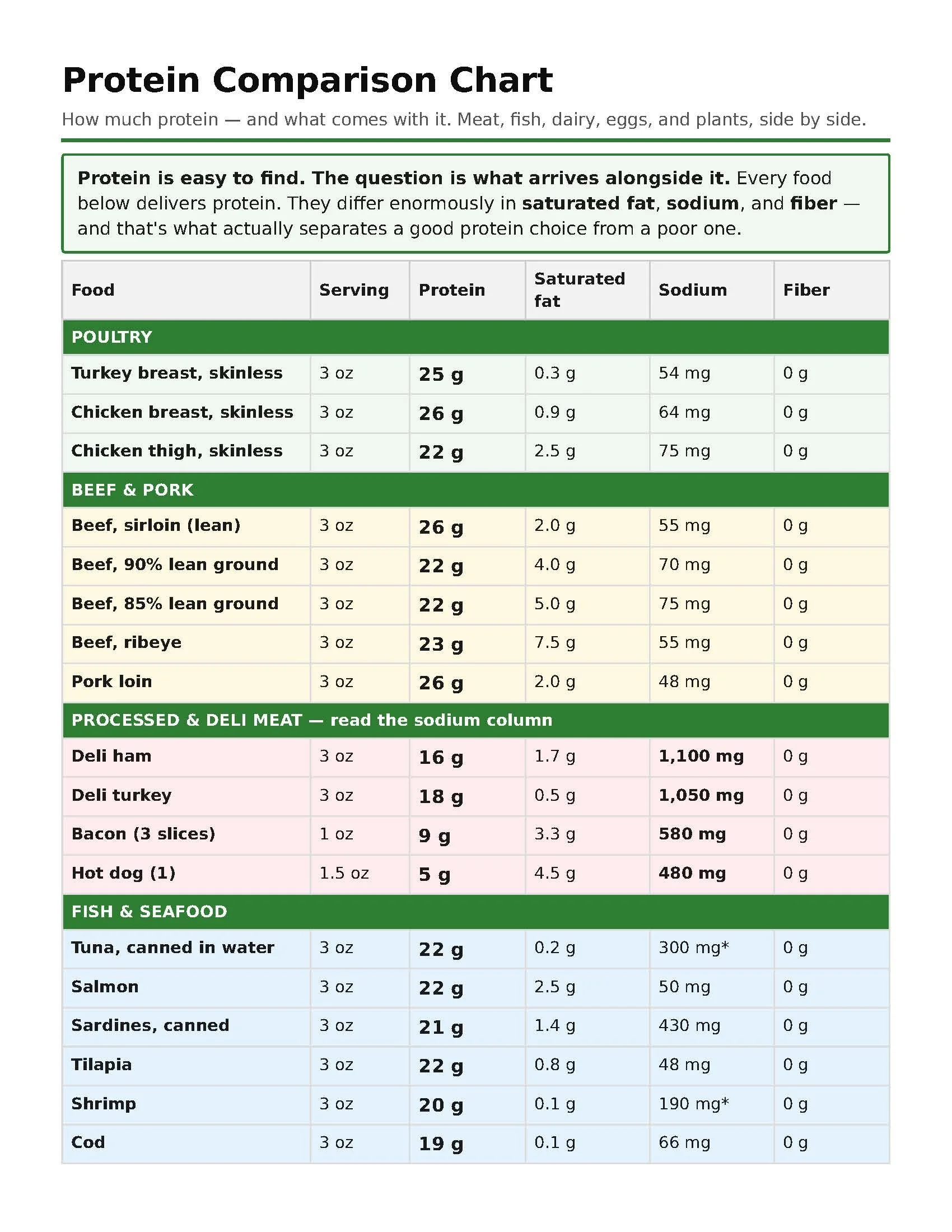
Here is a chart of all common sources of protein both animal and plant. It has a few surprises. Plant protein is lower in calories and higher in fiber. It is also lower in cost in most cases. Here is a printable PDF handout on protein comparisons as well as the original excel file so you can make changes. #eatrightPROnutrimag #makeevverybitecount #healthydoesnthavetobehard #simplehealth #funcionalwellness #wholewellness #wholebodyhealth #MyPlate #OnMyPlate #ChooseMyPlate #MyPlateStartSimplePROnutrimag!
Creating a high-fiber salad is easy and delicious! Here are some of the highest fiber salad ingredients you can include plus great ways to prepare salad combos.
Spring is in the air and summer’s right around the corner. I know how you love to get ahead, so let’s start planning with this brand-new series: MyPlate for Summer…
Walk through any supermarket, and you’ll see “high protein” straight away. It’s on snacks, drinks, and foods that never used to focus on nutrition. Among the many options available, though, meat snacks seem to be the winning category behind the trend.
Water. Just drink water! I cringe when I see kids and teenagers swilling sports drinks and sodas. Now, new research suggests that certain sweeteners found in food and beverages may increase the risk of early puberty, particularly in those who are genetically predisposed. The study was presented at the ENDO 2025 in San Francisco at the Endocrine Society’s annual meeting.
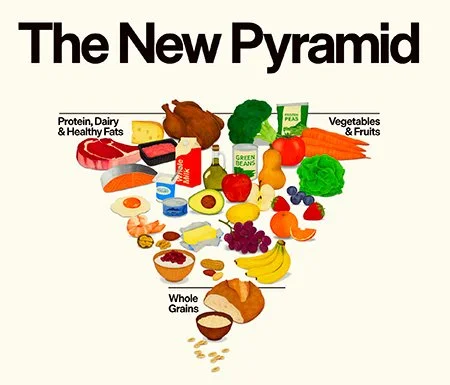
It’s Heart Month and conversations continue around the new Dietary Guidelines for Americans (DGA). Heart disease is the leading cause of death in the U.S. – so how do we reconcile the new DGA with a heart-healthy eating pattern?
Unfortunately, the face of the new DGA is the new inverted food pyramid, which prominently displays foods not normally associated with heart health – a thick marbled steak, a container of ground beef (which could be lean!), a carton of whole milk, and a stick of butter.
But the pyramid doesn’t tell the whole story. For that, you have to delve into the text of the DGA.
This blog post offers a comprehensive guide to selecting the healthiest milk option from your grocery store, whether you prefer dairy or plant-based alternatives. It emphasizes that the "best" milk depends largely on individual dietary needs and health goals, such as lactose tolerance, allergy concerns, protein requirements, and fat intake.
The article delves into the nutritional profiles of various milk types, including different kinds of cow's milk (whole, skim, lactose-free, A2, grass-fed) and popular plant-based alternatives like soy, almond, oat, hemp, pea, and coconut milk. For each, it highlights key nutritional aspects such as calorie, protein, fat (especially saturated fat), carbohydrate, calcium, and vitamin D content.
A key takeaway is the importance of checking nutrition labels, particularly for added sugars, thickeners, and fortification with essential nutrients like calcium and vitamin D, which can vary significantly between brands and types of milk. For those avoiding dairy, fortified soy milk often comes closest to cow's milk in terms of protein and nutrient density. Ultimately, the blog encourages readers to make informed choices based on their personal health considerations and preferences.
Recipes We Love
Turkey meatballs are braised with marinara sauce and then served over twisted turmeric fettuccini noodles. Of course any noodles will do but we love these yellow beauties!
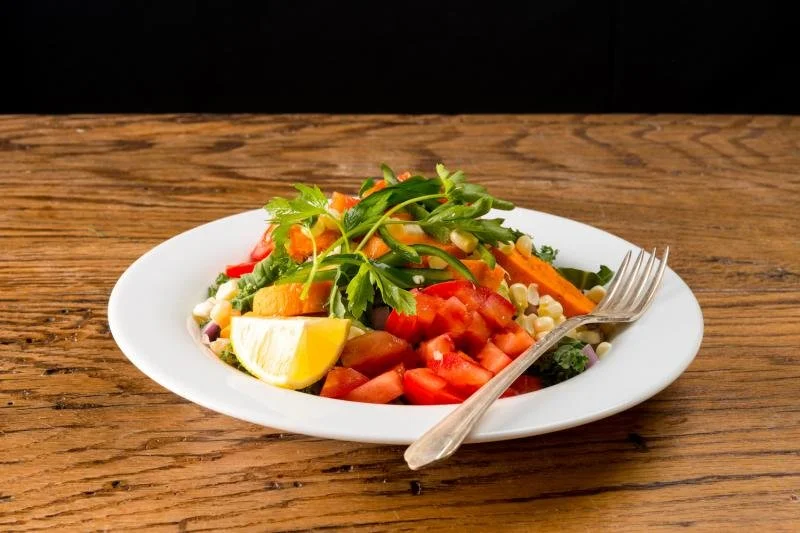
Kale, corn, sweet potatoes and a flavorful dressing turn this salad into a memorable meal.
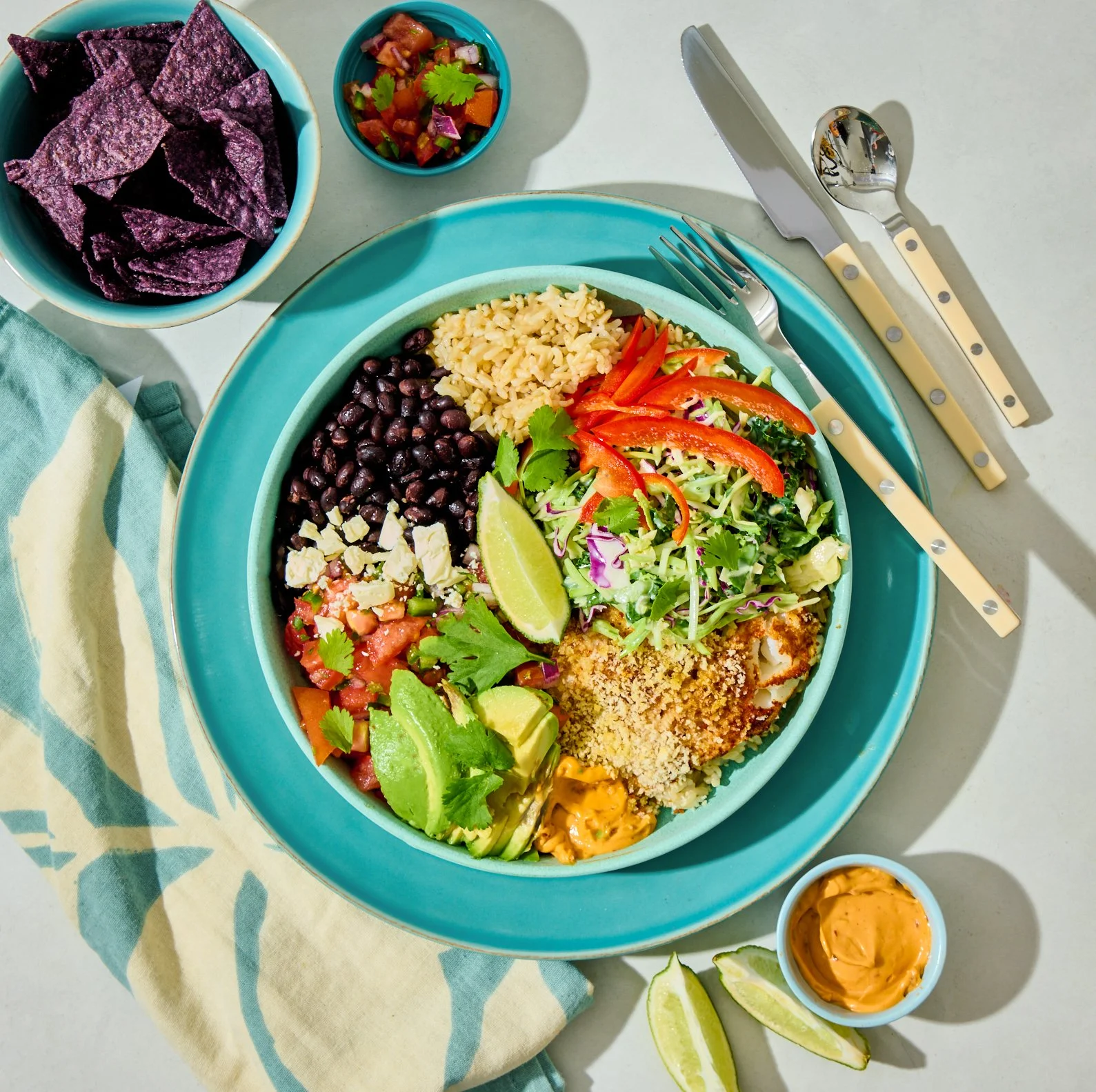
Spicy baked cod is served on top of brown rice with slaw, pico de gallo, fresh avocado, black beans,
Here is a healthy and fulfilling meatloaf meal. Once you throw it together it bakes unattended. Enjoy!