
Food and Health Communications is a National Strategic Partner with USDA and MyPlate.
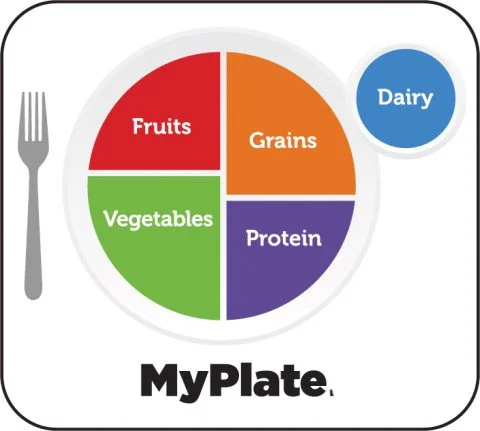
MyPlate was the longest-running food guide icon in US history, and a new open-access research report makes the case that its process and resources should guide what comes next. We think every nutrition educator should read it.
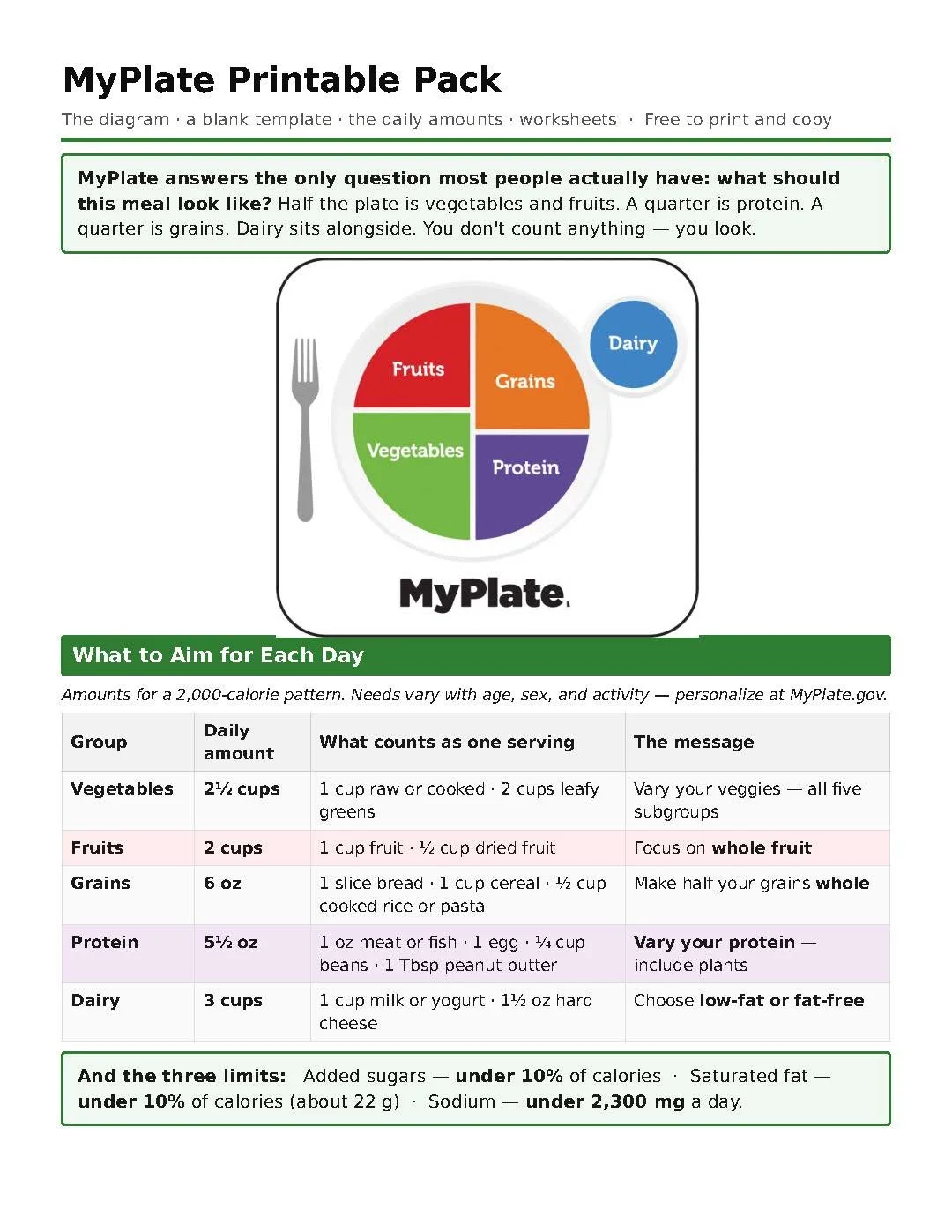
Free printable MyPlate pack — the diagram, a blank build-your-plate template, daily amounts, the hand portion guide, and worksheets. No sign-up required.

Now that you know what #MyPlate is and the #healthbenefits of following it, it’s time to explore how to make the most of this fantastic guide to balanced eating.
Let’s start with one of my favorite #foodgroups: #vegetables.
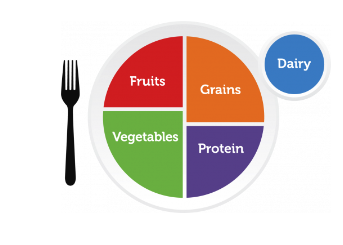
Spring is in the air and summer’s right around the corner. I know how you love to get ahead, so let’s start planning with this brand-new series: MyPlate for Summer…

We've made a lot of fantastic free nutrition handouts over the years. I was just looking over our site stats, and I was overwhelmed by the amazing positive response they've earned. That's why, today, I'm going to share the top 10 printable nutrition handouts that have gotten the most rave reviews over the past year...

Today I want to share a new handout that I made just for you -- it's a Nutrition Month quiz...
As we welcome 2024 and a new year, it is often fun to contemplate where we have been and where we are going on our food, health, and nutrition education journey. The nutrition research, as we have seen over numerous years of Dietary Guideline reviews and in the present 2020-2025 edition, has corroborated a whole-food, plant-based, minimally-processed diet that is low in added sugar, salt, and processed fat especially with regards to trans fat and saturated fat.
As we welcome 2024 and a new year, it is often fun to contemplate where we have been and where we are going on our food, health, and nutrition education journey. The nutrition research, as we have seen over numerous years of Dietary Guideline reviews and in the present 2020-2025 edition, has corroborated a whole-food, plant-based, minimally-processed diet that is low in added sugar, salt, and processed fat especially with regards to trans fat and saturated fat.

#MyPlate has been on the scene for years, and it’s one of the best balanced eating tools around. Yet many people feel intimidated by the #USDA’s guide to healthy #eatingpatterns. There’s no need to be…

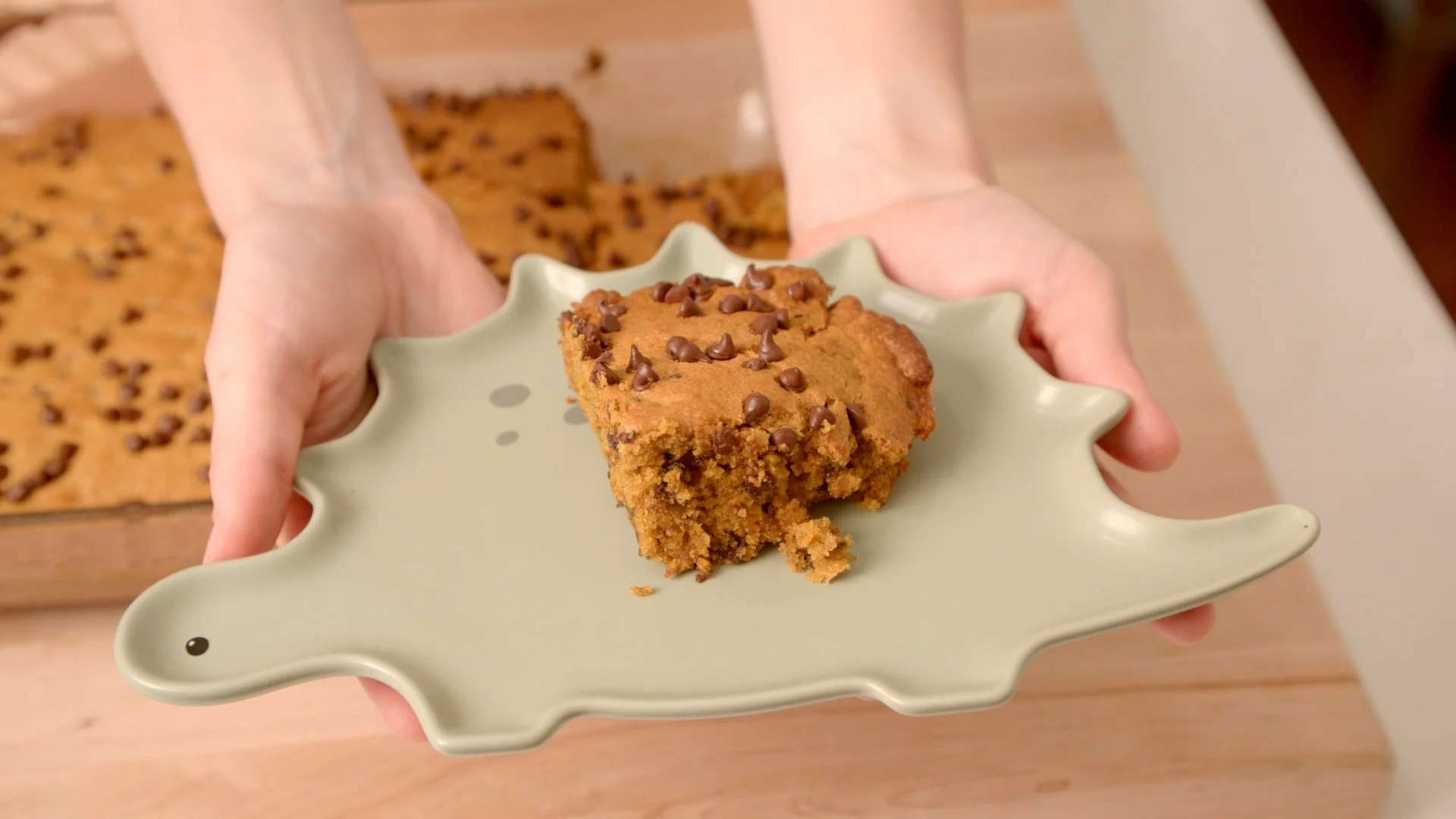
This favorite pumpkin spice blondie makes a great dessert for fall gatherings or weekend meals.
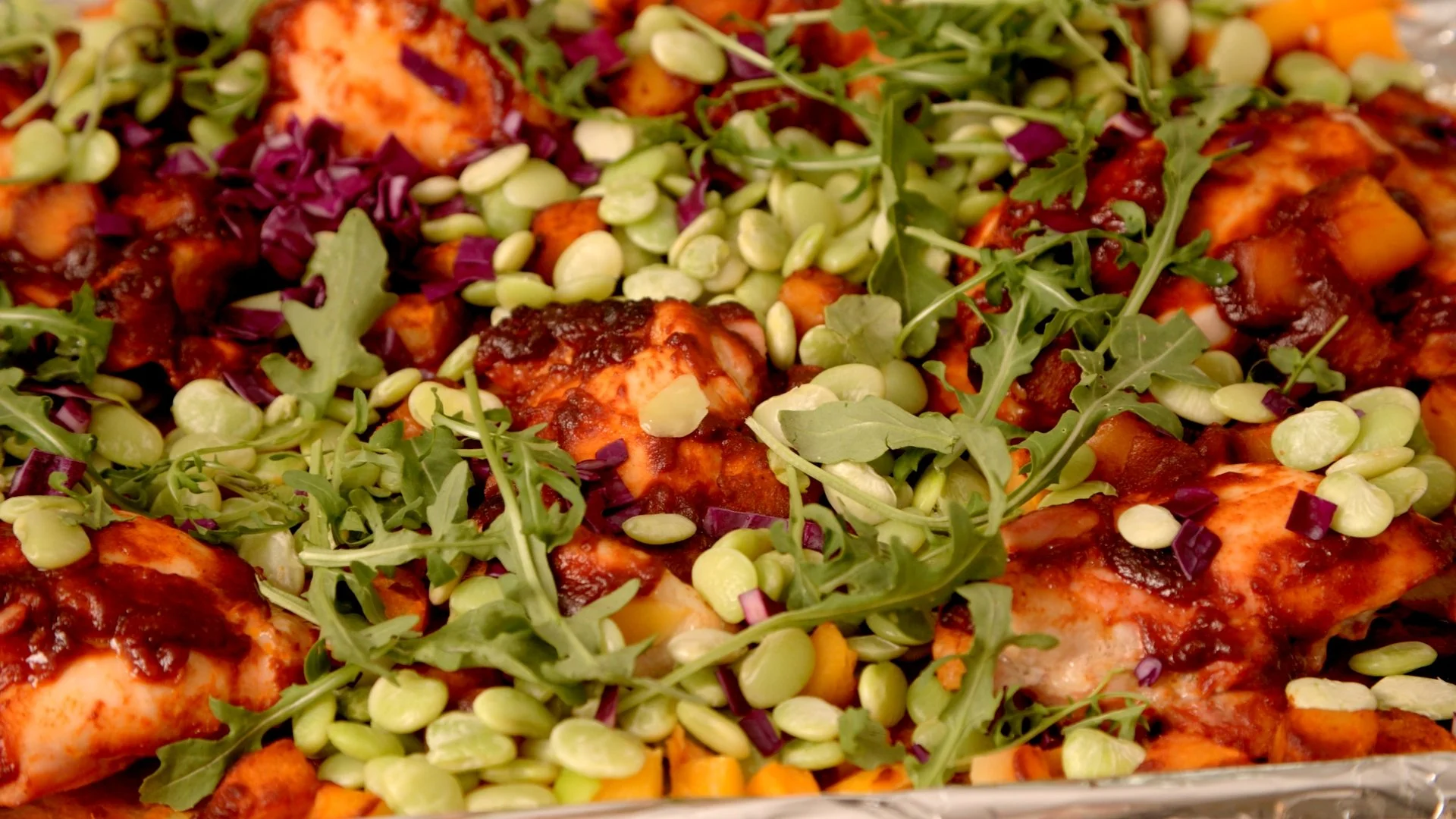
Fall chicken sheet pan dinner - spicy tomato sauce with garlic, maple syrup, olive oil, paprika, cumin and Korean pepper drizzled over chicken and butternut squash. Baked to perfection then topped with steaming lima beans, arugula, and red cabbage. Topped with lemon or lime.
Nutrition Education Store
MyPlate Health Fair & Classroom Materials
Banners, tearpads, a trivia game, and giveaways for MyPlate booths, classrooms, and wellness fairs.


