

Member-Only Articles
Every article includes a 'Make This Page A Handout' button, so you can print or save it as a PDF with your name as the 'Brought to you by' credit — perfect for handing out to clients, students, or patients. There is also a Google Translate tool at the bottom.

How Dietary Protein May Impact the Gut Microbiome
We know that a high-fiber diet and fermented foods help keep your gut microbiome flourishing, but did you know that protein sources may also impact it? 1 New research from North Carolina University suggests that protein in an animal’s diet may affect the population as well as the function of the microbiome. This research may lead to a better comprehension of how to prevent and treat gastrointestinal conditions that affect the quality of life of millions of people worldwide. 2

The Juicy Truth About Juice Cleanses
I periodically have clients who ask (or have done) a “juice cleanse” as a fresh start to their wellness journey. Most have seen health claims of weight loss or improved gut health on TikTok or Instagram. While some boast that they feel better since it helps their bowels move, few have seen any long-lasting effects. In reality, this trend could be harmful.

Does high-fructose corn syrup or cane sugar make a difference in weight and other metabolic parameters?
Here is what the science says about high fructose corn syrup versus sugar for your soda.

Comparing Milk Options
This blog post offers a comprehensive guide to selecting the healthiest milk option from your grocery store, whether you prefer dairy or plant-based alternatives. It emphasizes that the "best" milk depends largely on individual dietary needs and health goals, such as lactose tolerance, allergy concerns, protein requirements, and fat intake.
The article delves into the nutritional profiles of various milk types, including different kinds of cow's milk (whole, skim, lactose-free, A2, grass-fed) and popular plant-based alternatives like soy, almond, oat, hemp, pea, and coconut milk. For each, it highlights key nutritional aspects such as calorie, protein, fat (especially saturated fat), carbohydrate, calcium, and vitamin D content.
A key takeaway is the importance of checking nutrition labels, particularly for added sugars, thickeners, and fortification with essential nutrients like calcium and vitamin D, which can vary significantly between brands and types of milk. For those avoiding dairy, fortified soy milk often comes closest to cow's milk in terms of protein and nutrient density. Ultimately, the blog encourages readers to make informed choices based on their personal health considerations and preferences.

Scientific Report of 2025-2030 Dietary Guidelines Committee
Here is the status update on the 2025-2030 Dietary Guidelines for Americans - where we are, what is next. The report from the committee provides a comprehensive read about American’s health data/status and a summary of the nutrition research since the last round. At this time they seem to have really dug into a lot of details based on data. The joint recommendations that become the official guidelines will be made by the USDA and HHS and be out at the end of 2025.

Delicious Ways to Use Labneh
Labneh, a thick and tangy strained yogurt, is incredibly versatile and can be enjoyed in numerous ways, both sweet and savory. Traditionally, it's served as a dip or spread, often drizzled with good quality olive oil and sprinkled with herbs like za'atar, mint, or a pinch of salt, accompanied by pita bread, crackers, or fresh vegetables. It makes a fantastic base for sandwiches or toasts, topped with anything from tomatoes and cucumbers to avocado and honey. Beyond simple spreads, labneh can be incorporated into salads, used as a creamy topping for roasted vegetables or grilled meats, or even as a lighter alternative to cream cheese in certain recipes (though generally not recommended for baking). For a different texture, you can drain it longer to create firmer balls, which can then be preserved in olive oil with herbs for an impressive appetizer.
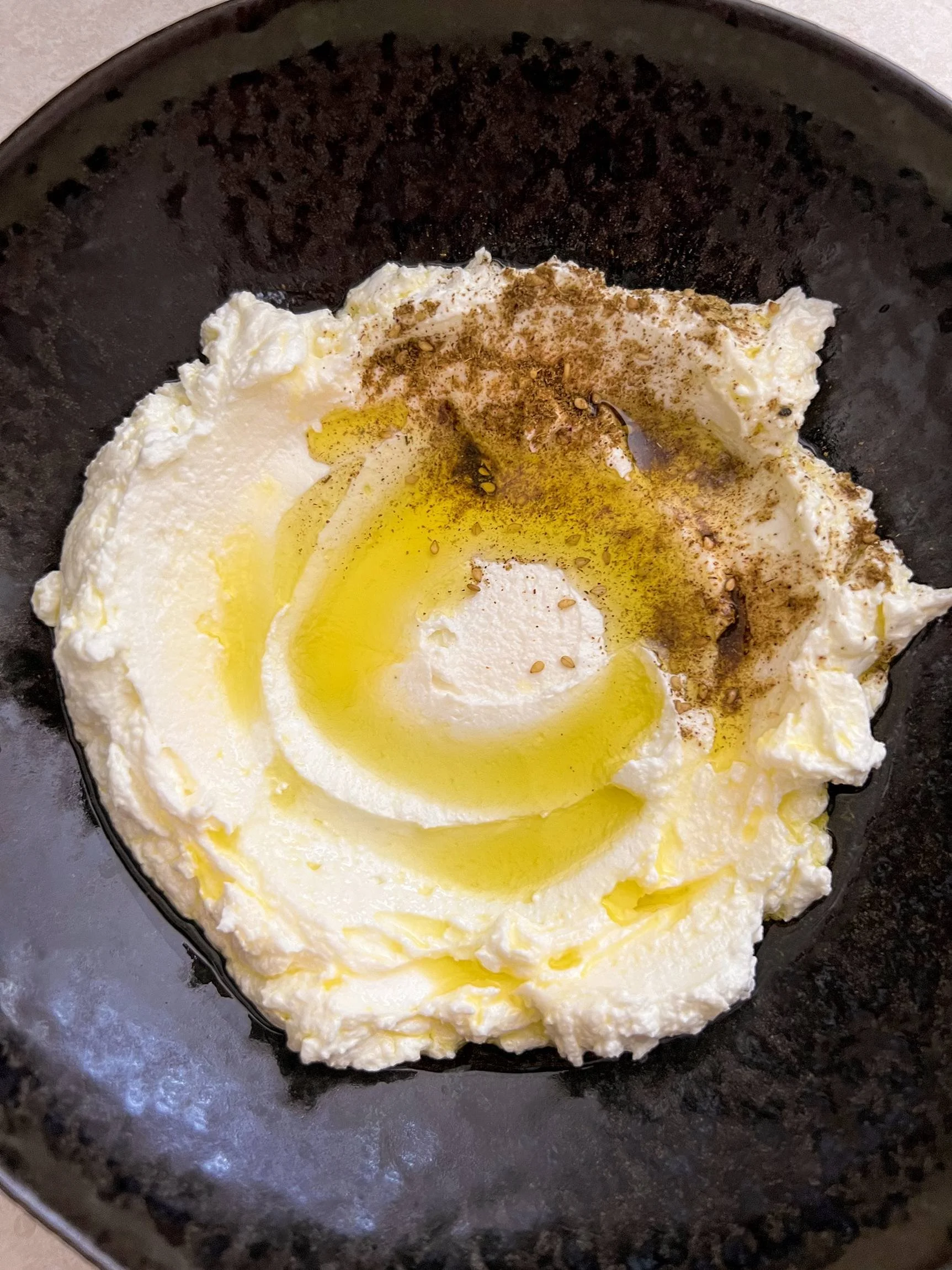
How to Make Labneh
Labneh, a thick and tangy strained yogurt, is incredibly versatile and can be enjoyed in numerous ways, both sweet and savory. Traditionally, it's served as a dip or spread, often drizzled with good quality olive oil and sprinkled with herbs like za'atar, mint, or a pinch of salt, accompanied by pita bread, crackers, or fresh vegetables. It makes a fantastic base for sandwiches or toasts, topped with anything from tomatoes and cucumbers to avocado and honey. Beyond simple spreads, labneh can be incorporated into salads, used as a creamy topping for roasted vegetables or grilled meats, or even as a lighter alternative to cream cheese in certain recipes (though generally not recommended for baking). For a different texture, you can drain it longer to create firmer balls, which can then be preserved in olive oil with herbs for an impressive appetizer.
Contact us.
Need help finding a topic? Have a request? Let us know!