

Member-Only Articles
Every article includes a 'Make This Page A Handout' button, so you can print or save it as a PDF with your name as the 'Brought to you by' credit — perfect for handing out to clients, students, or patients. There is also a Google Translate tool at the bottom.
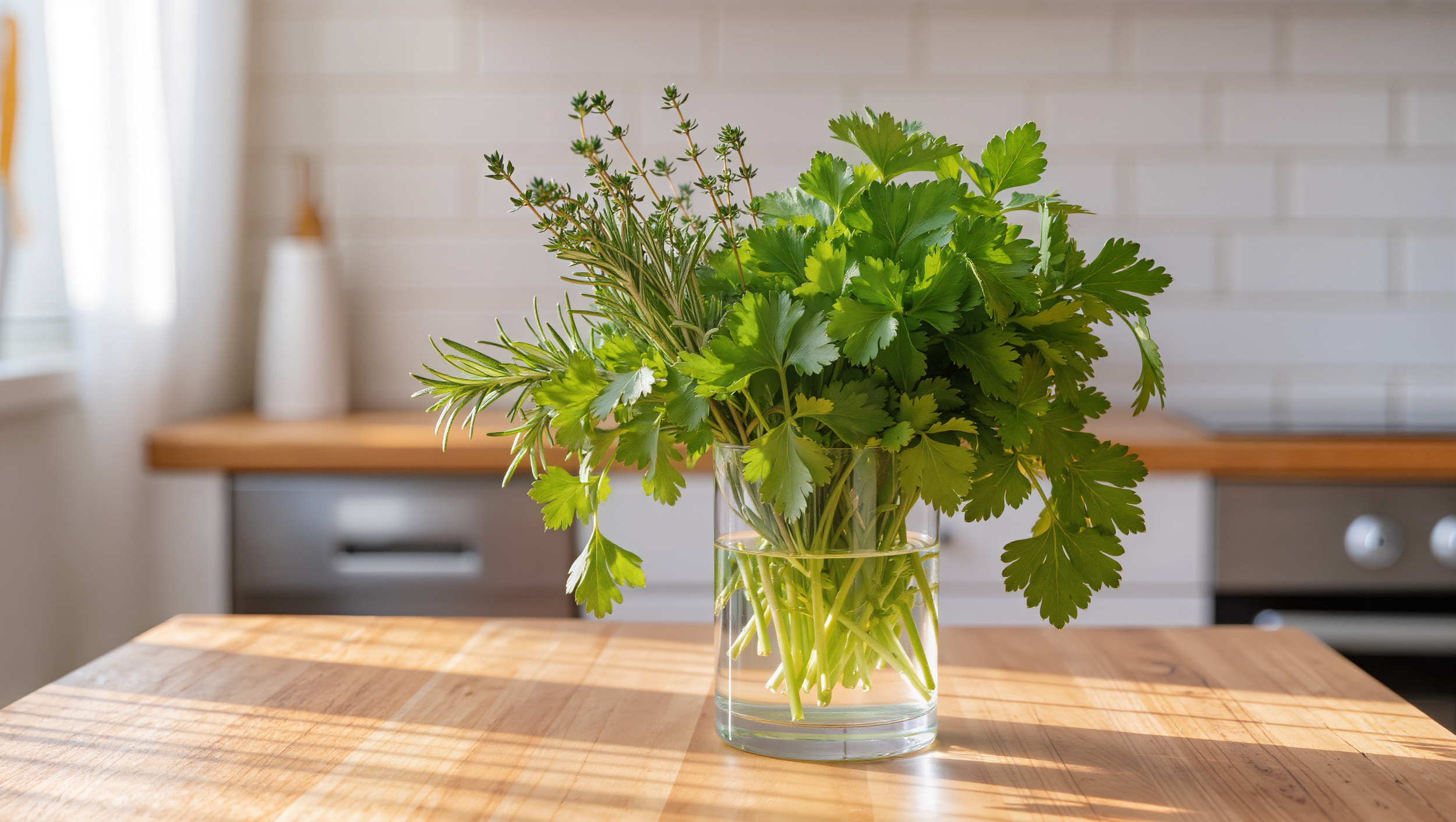
Storing Fresh Herbs
Fresh herbs add wonderful flavor, color, and a bright finishing touch to meals — but they can wilt quickly if not stored properly. With a few simple tips, you can keep herbs fresh longer and reduce food waste.
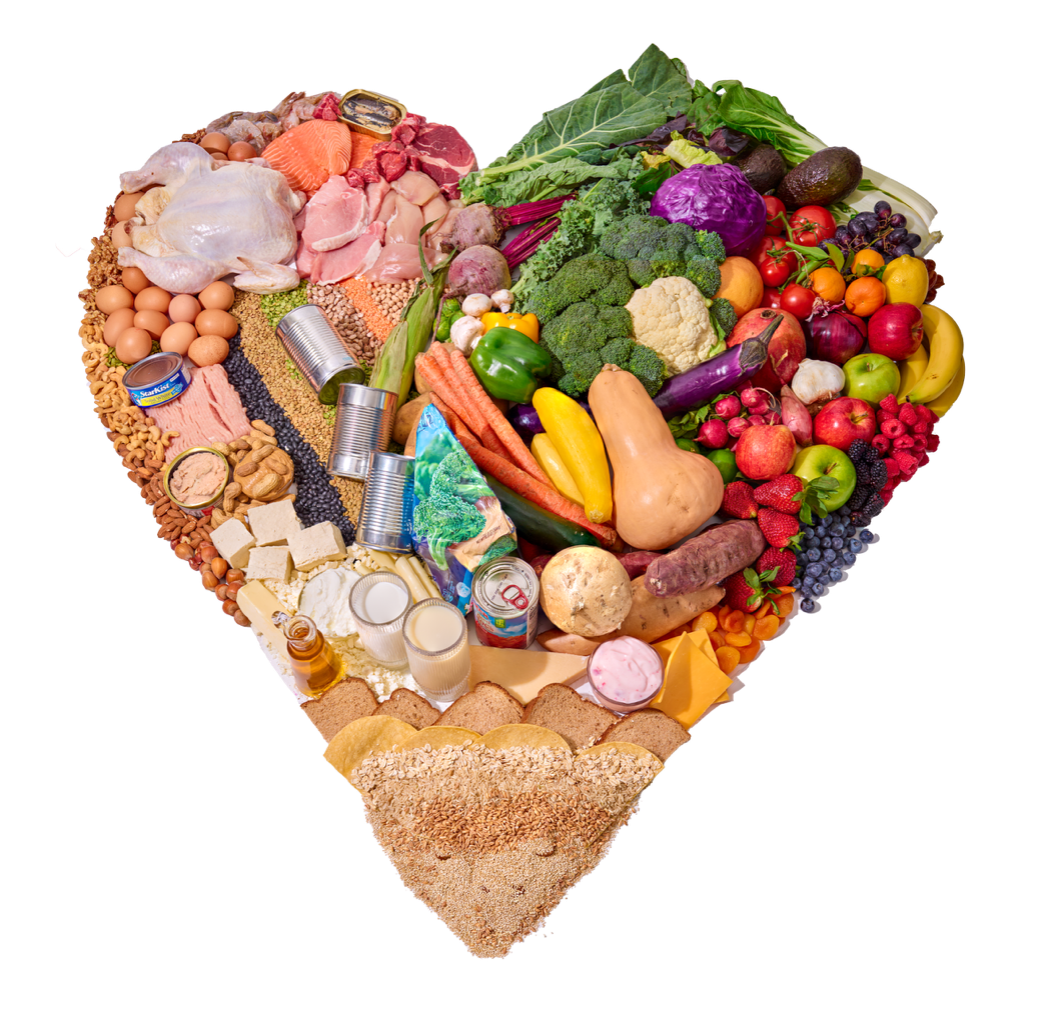
Food Groups for the Heart
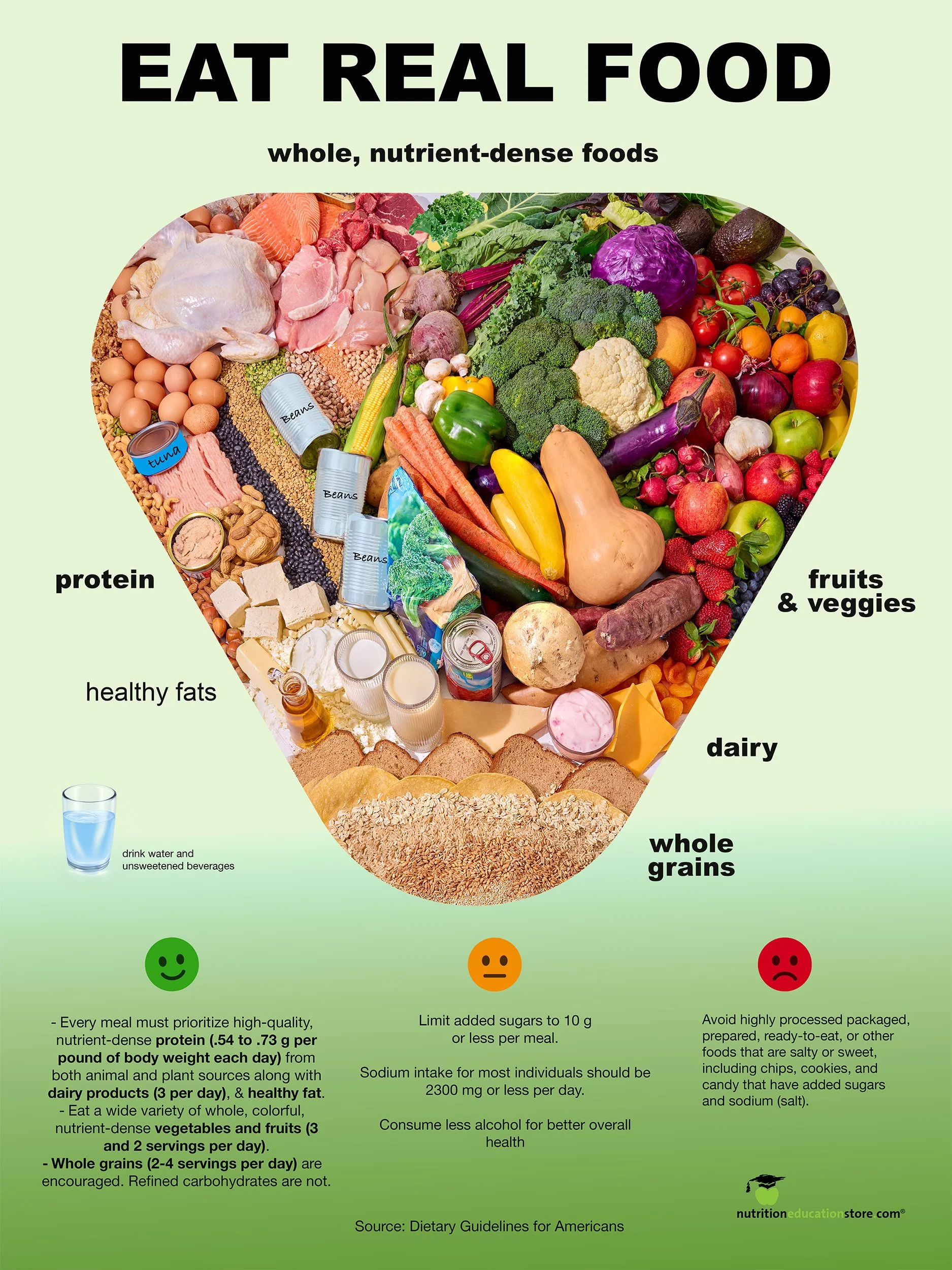
The new year brings fresh goals and renewed resolutions. Along with that, the U.S. government has released the updated Dietary Guidelines for Americans, 2025–2030, bringing back a modernized food pyramid to replace MyPlate, which had guided eating habits since 2011. The overall message is simple and powerful: focus on real, whole foods and limit ultra-processed products. Let’s take a look at the key science-supported recommendations.
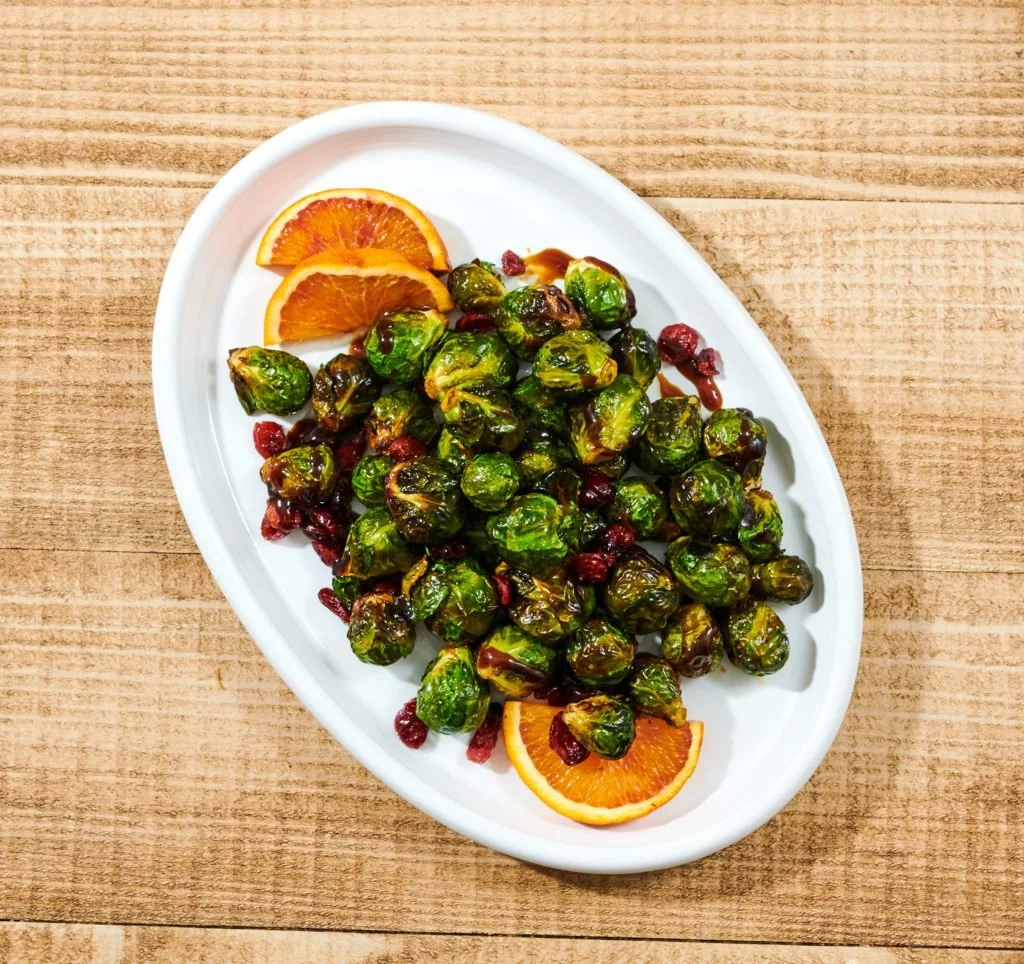
Vegetables In Season for February
Eating seasonal vegetables means better flavor, better value, and often better nutrition. In February, many hearty winter vegetables are at their peak. Roasting winter vegetables at 400°F with olive oil and herbs brings out natural sweetness and makes them extra delicious.
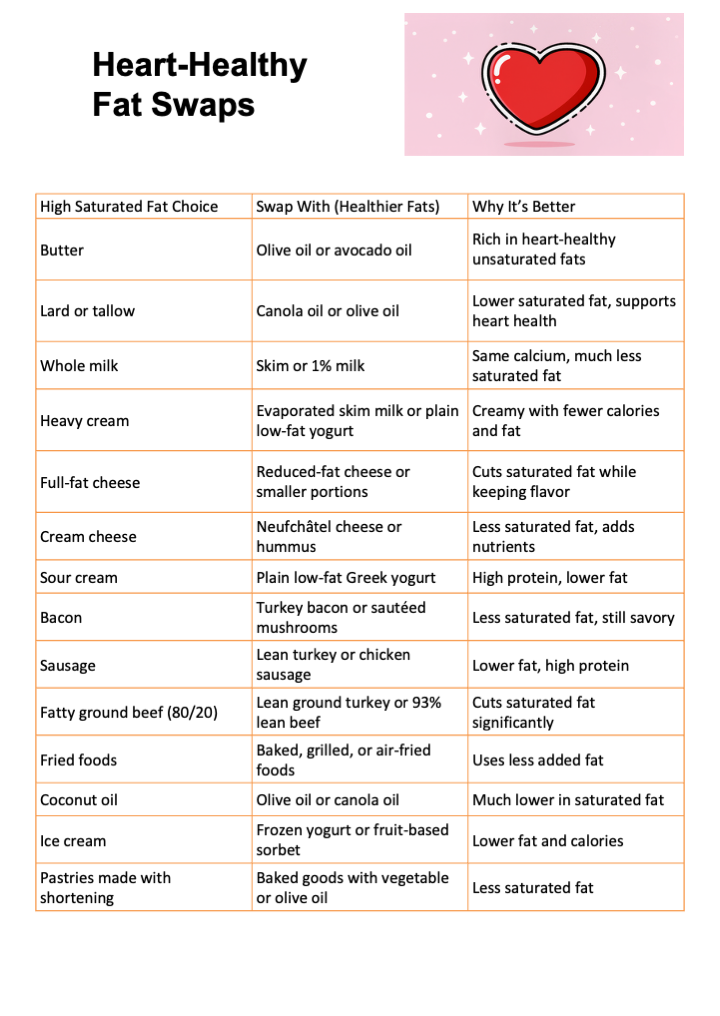
Saturated Fat Handout and The Case for the New Dietary Guidelines Committee Recommendations
I want to make the case for the Dietary Guidelines—by helping people understand what they have offered, consistently and over time. Right now, you have the public’s attention. This is the moment to use it well.
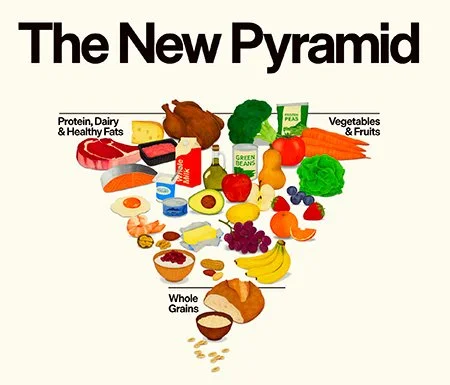
The New 2026 Dietary Guidelines Are Here: References and Need to Know
The U.S. federal government has released the 2025–2030 Dietary Guidelines for Americans, marking one of the most significant updates to national nutrition guidance in decades. These Guidelines — available through realfood.gov and the official Dietary Guidelines portal — put an emphasis on whole, nutrient-dense foods and offer a clear framework for helping people make healthier choices every day.

Drop the Dietary Acid and Drop the Pounds
Think of Dietary Acid Load (DAL) as a chemistry experiment happening inside your body. Every food you eat is either "acid-forming" or "base-forming" (alkaline).
Here is how it works in three simple points:
The Balance: Most Western diets are heavy on acid-forming foods like meat, cheese, and processed grains. To stay healthy, your body needs a balance provided by base-forming foods, specifically fruits and vegetables.
The Kidney Connection: When you eat too much acid-forming food, your kidneys have to work overtime to flush that acid out. Over time, this "acid overload" can lead to a state called low-grade acidosis.
The Health Impact: Staying in an acidic state is linked to serious long-term issues, including weaker bones and muscles, high blood pressure, and kidney strain.
The Bottom Line
To keep your internal chemistry in check, treat your plate like a scale: add more fruits and vegetables to balance out the meats and grains.

Even Just One Drink a Day May Raise Risk for Oral Cancer
Even one drink a day may be too much if you want to avoid the risk for oral cancer. Let’s look at the research.
Contact us.
Need help finding a topic? Have a request? Let us know!