The Whole Milk for Healthy Kids Act
The Whole Milk for Healthy Kids Act of 2025 is recent bipartisan U.S. legislation passed by Congress, allowing schools to offer flavored and unflavored whole milk and 2% milk in federally supported meal programs, reversing prior restrictions that limited options to low-fat or fat-free milk. The bill aims to improve student nutrition by giving schools flexibility to provide the milk kids prefer, which aligns better with home consumption and provides essential nutrients like protein, calcium, and Vitamin D, while also helping the dairy industry. The Act excludes milk fat from saturated fat calculations for meal compliance and allows parents to request non-dairy alternatives.
•It's an option, not a mandate, allowing local choices based on student preference and budgets.
•The Act will also allow parents to request lactose-free or non-dairy milk for their children.
Whole Milk vs. 2%, 1%, and Skim Milk: What’s the Difference?
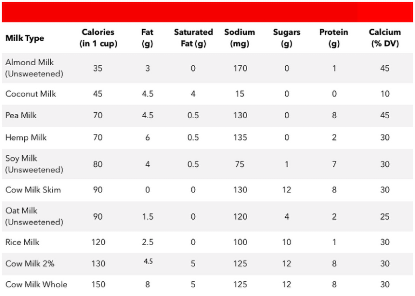
Milk comes in several fat levels, and understanding the differences can help you choose what best fits your nutrition needs and preferences. The main distinction between whole milk, 2%, 1%, and skim milk is the amount of milk fat—and that affects calories, fat, saturated fat, and taste.
Whole milk contains about 3.25% milk fat. It has the richest flavor and creamiest texture, and it tends to taste richer. It has double the calories compared to skim milk.
2% milk (reduced-fat) offers a middle ground. It has less fat and fewer calories than whole milk but still retains a creamy taste. Many families choose 2% because it balances flavor with slightly lower saturated fat.
1% milk is lower in fat and calories and has a lighter mouthfeel. It can be a good choice for people who are used to drinking whole milk but want a heart-healthier option.
Skim milk has nearly all the fat removed. It’s the lowest in calories but also the thinnest in texture. It is a good choice for people who are trying to keep their cholesterol in check.
Nutritionally, all cow’s milk types provide similar protein, calcium, and vitamin D. The “best” choice depends on taste preference and health goals. It is important to read the label on alternate milks to find out how much calcium is added. More tips here.
Nutrition Education Store
Look What's New in Our Store