

Free Nutrition Articles and Handouts by Food and Health Communications
You're already here for the free content — this is just a small taste of what members get. A full library of 650+ handouts, 240+ PowerPoint presentations, 900+ recipes, cooking video lessons, a monthly newsletter and white label version customizable in Canva, a health observances calendar, and eight interactive health calculators — all organized, searchable, and ready to use the moment you join.
Click any card below to explore. Members go straight in. Not a member yet? You'll be invited to join.
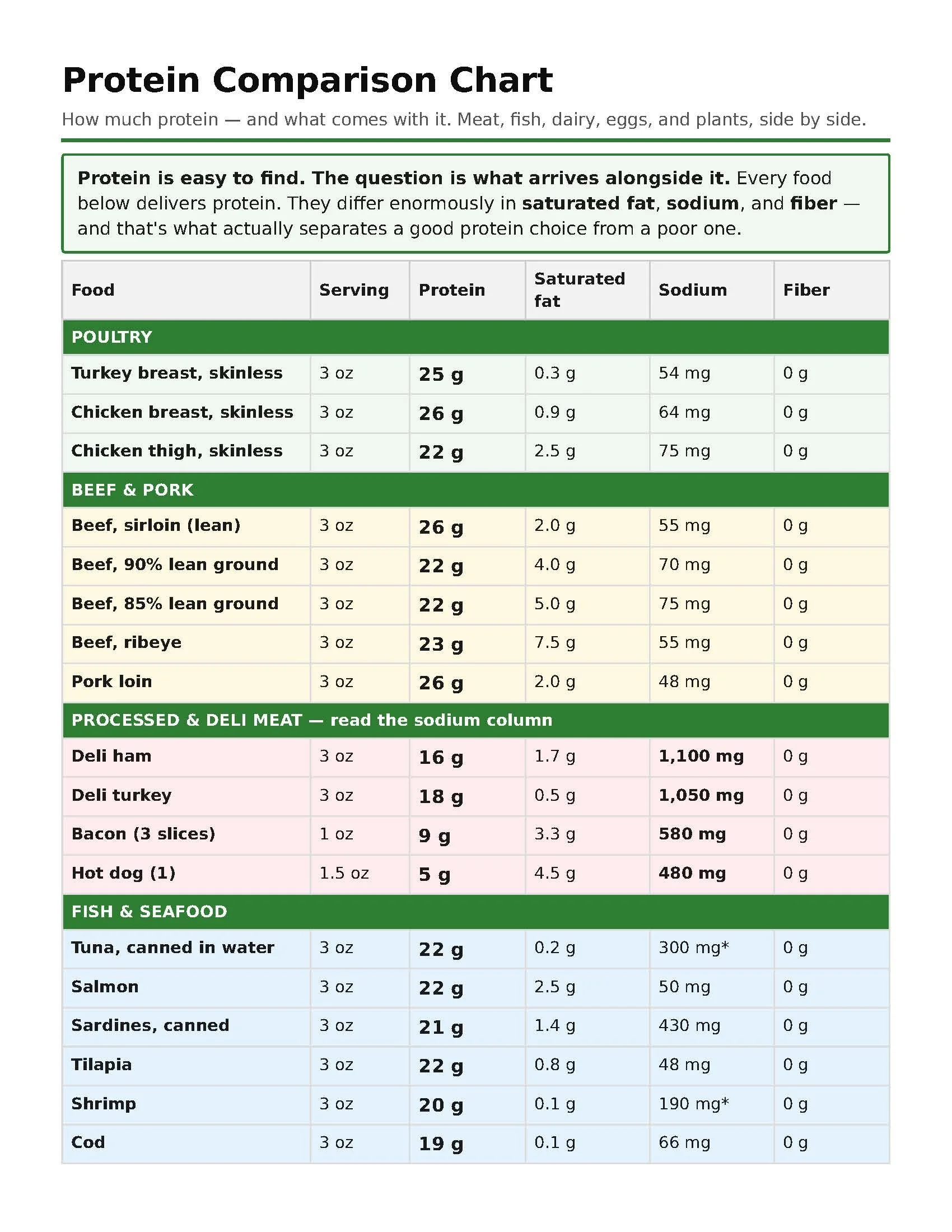
Protein Comparison Charts & Handouts
Here is a chart of all common sources of protein both animal and plant. It has a few surprises. Plant protein is lower in calories and higher in fiber. It is also lower in cost in most cases. Here is a printable PDF handout on protein comparisons as well as the original excel file so you can make changes. #eatrightPROnutrimag #makeevverybitecount #healthydoesnthavetobehard #simplehealth #funcionalwellness #wholewellness #wholebodyhealth #MyPlate #OnMyPlate #ChooseMyPlate #MyPlateStartSimplePROnutrimag!
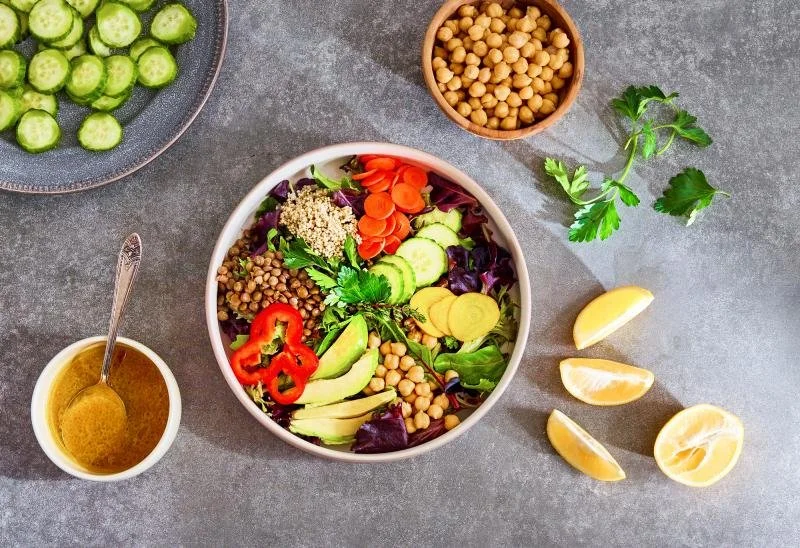
Build A Higher Fiber Salad PDF Handout
Creating a high-fiber salad is easy and delicious! Here are some of the highest fiber salad ingredients you can include plus great ways to prepare salad combos.
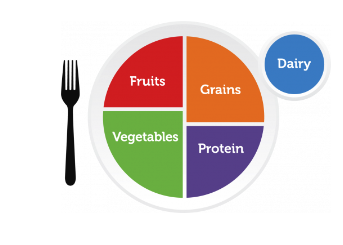
MyPlate for Summer
Spring is in the air and summer’s right around the corner. I know how you love to get ahead, so let’s start planning with this brand-new series: MyPlate for Summer…



Cracking the Vault: Sweeteners and Early Puberty
Water. Just drink water! I cringe when I see kids and teenagers swilling sports drinks and sodas. Now, new research suggests that certain sweeteners found in food and beverages may increase the risk of early puberty, particularly in those who are genetically predisposed. The study was presented at the ENDO 2025 in San Francisco at the Endocrine Society’s annual meeting.

Where does heart health stand with the new Dietary Guidelines?
It’s Heart Month and conversations continue around the new Dietary Guidelines for Americans (DGA). Heart disease is the leading cause of death in the U.S. – so how do we reconcile the new DGA with a heart-healthy eating pattern?
Unfortunately, the face of the new DGA is the new inverted food pyramid, which prominently displays foods not normally associated with heart health – a thick marbled steak, a container of ground beef (which could be lean!), a carton of whole milk, and a stick of butter.
But the pyramid doesn’t tell the whole story. For that, you have to delve into the text of the DGA.

Cracking the Vault: Blood Pressure 101: Understanding the New Guidelines
Here are the new guidelines for blood pressure categories and all you need to know

Cracking the Vault: Comparing Milk Options
This blog post offers a comprehensive guide to selecting the healthiest milk option from your grocery store, whether you prefer dairy or plant-based alternatives. It emphasizes that the "best" milk depends largely on individual dietary needs and health goals, such as lactose tolerance, allergy concerns, protein requirements, and fat intake.
The article delves into the nutritional profiles of various milk types, including different kinds of cow's milk (whole, skim, lactose-free, A2, grass-fed) and popular plant-based alternatives like soy, almond, oat, hemp, pea, and coconut milk. For each, it highlights key nutritional aspects such as calorie, protein, fat (especially saturated fat), carbohydrate, calcium, and vitamin D content.
A key takeaway is the importance of checking nutrition labels, particularly for added sugars, thickeners, and fortification with essential nutrients like calcium and vitamin D, which can vary significantly between brands and types of milk. For those avoiding dairy, fortified soy milk often comes closest to cow's milk in terms of protein and nutrient density. Ultimately, the blog encourages readers to make informed choices based on their personal health considerations and preferences.
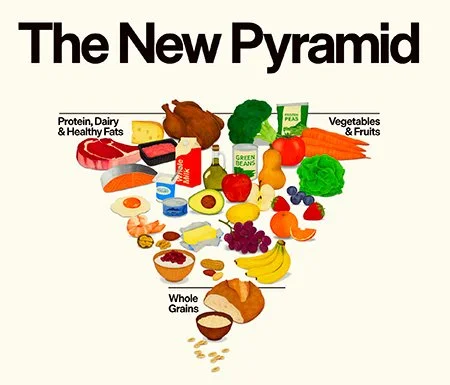
New Food Pyramid 2026: Dietary Guidelines Resources for Professionals: References and Need to Know
The U.S. federal government has released the 2025–2030 Dietary Guidelines for Americans, marking one of the most significant updates to national nutrition guidance in decades. These Guidelines — available through realfood.gov and the official Dietary Guidelines portal — put an emphasis on whole, nutrient-dense foods and offer a clear framework for helping people make healthier choices every day.

Cracking the Vault: How Dietary Protein May Impact the Gut Microbiome
We know that a high-fiber diet and fermented foods help keep your gut microbiome flourishing, but did you know that protein sources may also impact it? 1 New research from North Carolina University suggests that protein in an animal’s diet may affect the population as well as the function of the microbiome. This research may lead to a better comprehension of how to prevent and treat gastrointestinal conditions that affect the quality of life of millions of people worldwide.
More handouts and resources from our Nutrition Education Store