DASH - Not A Diet, A Way of Life
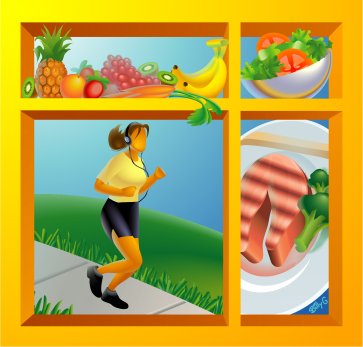 Make DASH Work for You!May is Blood Pressure Education Month. Use the DASH diet to help prevent or control high blood pressure. Make it a part of a healthy lifestyle that includes choosing foods lower in sodium, working on a healthful weight, being physically active, not smoking, and using moderation when consuming alcohol.Step 1 - Be aware of what you eatIt is helpful to write down what you eat for several days or weeks to see how you are doing. Which foods are you eating too much? Which ones are not enough? Work on balancing them gradually. Don’t worry about being perfect. If you slip, ask yourself why you got off track, and start again the next day. Be consistent and persistent.Step 2 - Research The DASH Diet Web site:http://www.nhlbi.nih.gov/health/public/heart/hbp/dash/Download a pamphlet (PDF format) from the National Heart, Lung, and Blood Institute with information about both DASH studies, menus, tips and facts for following the DASH diet.Step 4 - DASH Daily Check List:For 1600 calories:_____ 6 ounces grains, preferably whole grains_____ 2 cups vegetables_____ 2 cups fruit_____ 2-3 cups nonfat/lowfat milk or yogurt_____ 3 to 6 ounces fish_____ 2 tsp oil (limit to this)_____ 0 sugars_____ Per week 3 servings beans or nutsIf you are like most people, you are probably eating too many refined grains, too much meat, too much fat and saturated fat and too much sugar. Read our tips below so you can make the DASH?check easy!?Tips on Eating the DASH Way• Start small. Make gradual changes in your eating habits.• Plan a minimum of three meals a day. Breakfast is a great time to get in some whole grains and fresh fruit.• Center your meals around whole grains such as brown rice or whole-wheat pasta, beans and vegetables.• Experiment with different types of grains such as barley, couscous and millet.• Treat meat as one small part of the whole meal instead of the focus. When you do use meat, choose lean cuts. Limit meat, poultry and fish servings to the size of a deck of cards.• Have 2-3 vegetables at lunch and dinner to make up for less meat.• Eat a calcium-rich food several times a day - for breakfast, snacks and dessert.• Reduce the amount of fat added to your food. Cook with less fat; purchase lower-fat foods; and make better menu choices.• Reduce sodium/salt intake. Purchase lower-sodium foods, skip the salt when cooking and at the table; beware of restaurant choices!• Try some vegetarian meals several times a week. Experiment with bean recipes.• Use fruits or lowfat, low-calorie foods such as sugar-free gelatin for desserts and snacks.• Use salt-free nuts for snacks occasionally.• Read labels and look for sodium, fiber and fat. If a food has 5% or less of the daily value for sodium then it can be considered a low sodium food.By Hollis Bass, MEd, RD.
Nutrition Education Store
Look What's New in Our Store