MyPlate, the Food Pyramid, and Our Nutrition Guidance
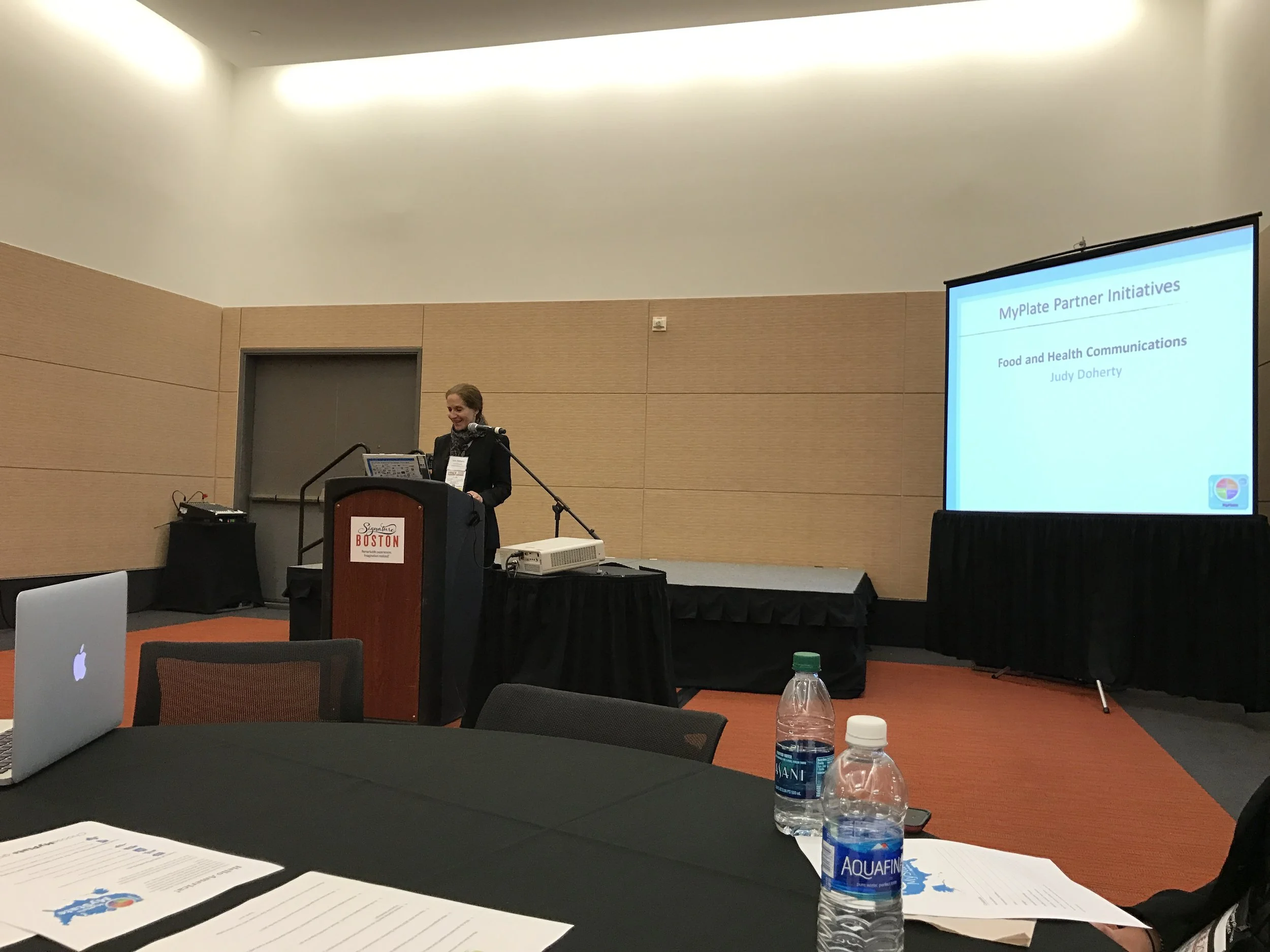
Judy Doherty, MS, PCII, presenting "MyPlate Partner Initiatives" for Food and Health Communications at the USDA MyPlate Partners meeting during FNCE in Boston.
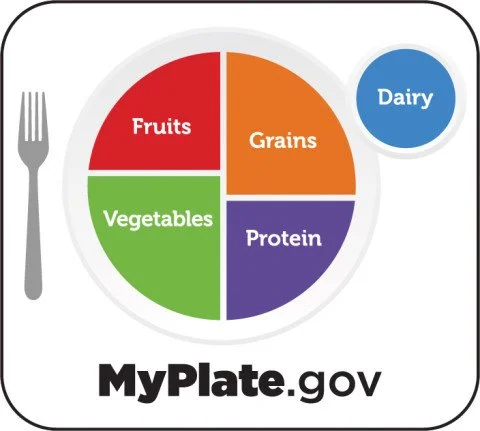
Serving as a National Partner with MyPlate was one of my favorite volunteer projects for more than a decade. MyPlate is a simple, visual message that makes science-backed, healthy eating easy to understand for millions of people.
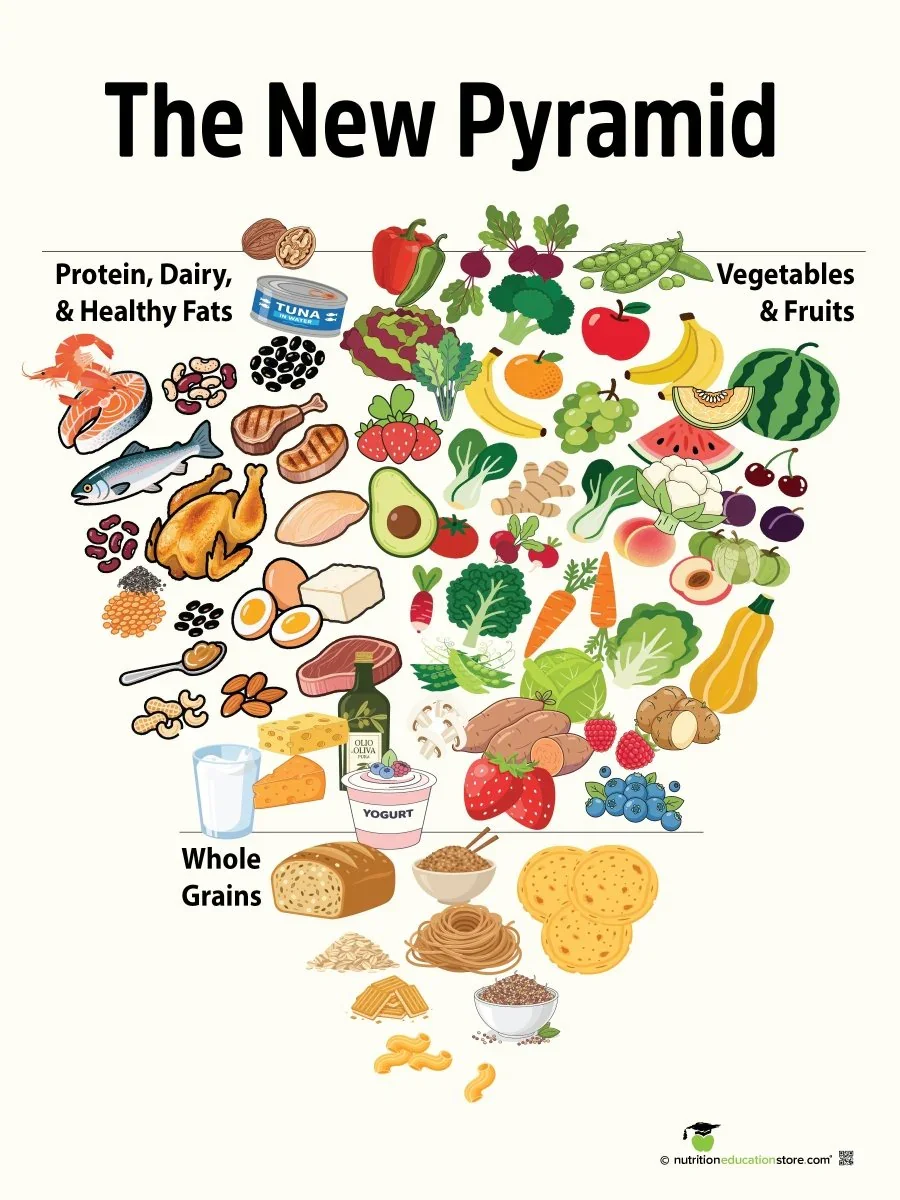
At the same time, we respect the science and process behind the Dietary Guidelines Committee's recommendations, and we stay current as those recommendations evolve. For clients who are required to use the Pyramid, we have developed materials that promote the icon with the food groups and whole foods.
MyPlate is a simple, visual guide for building a single meal, reminding you to fill half your plate with fruits and vegetables. The New Pyramid (inverted) takes a broader view of your overall diet, highlighting whole foods as the foundation of your daily choices and pointing out recent research on ultra-processed foods and health risks.
Across all our resources, regardless of the icon or framework used, our core message remains the same: fill your plate with ¼ protein, ¼ whole grains, and ½ fruits and vegetables, and follow the Dietary Guidelines to eat a DASH-style diet. We have also been closely following research on ultra-processed foods and their health risks, and we support the current Dietary Guidelines Committee recommendations to choose whole foods over heavily processed ones whenever possible. Right now, about 50% of the American diet consists of processed foods, and their sales are increasing at double-digit rates.
We keep our content aligned not only with the Dietary Guidelines but also with other leading health authorities on heart disease and diabetes, as well as World Health Organization recommendations.
We will continue to offer MyPlate materials and the New Pyramid for those who want them, alongside the same simple healthy-plate message we were teaching even before MyPlate was launched. Good nutrition doesn't depend on any single icon. It depends on the food you choose to buy, prepare, and eat each day. In our digital age, there are many challenges posed by false information, and consumers are pressed for skills, time, and money to make the right decisions and put good meals on their tables. Above all, we support today's nutrition educators, who face an uphill battle every day, swimming upstream against a food system built on processed convenience, a flood of nutrition misinformation, fast food on every corner, and the real constraints of tight budgets. Whether they reach for MyPlate, the food pyramid, or both, we are here to support the tools that help them do that work.
One study shows that people who are aware of the USDA food icons have a higher-quality diet. But many low-income individuals who have limited education have not heard of them. (https://www.sciencedirect.com/science/article/abs/pii/S2212267218308591)
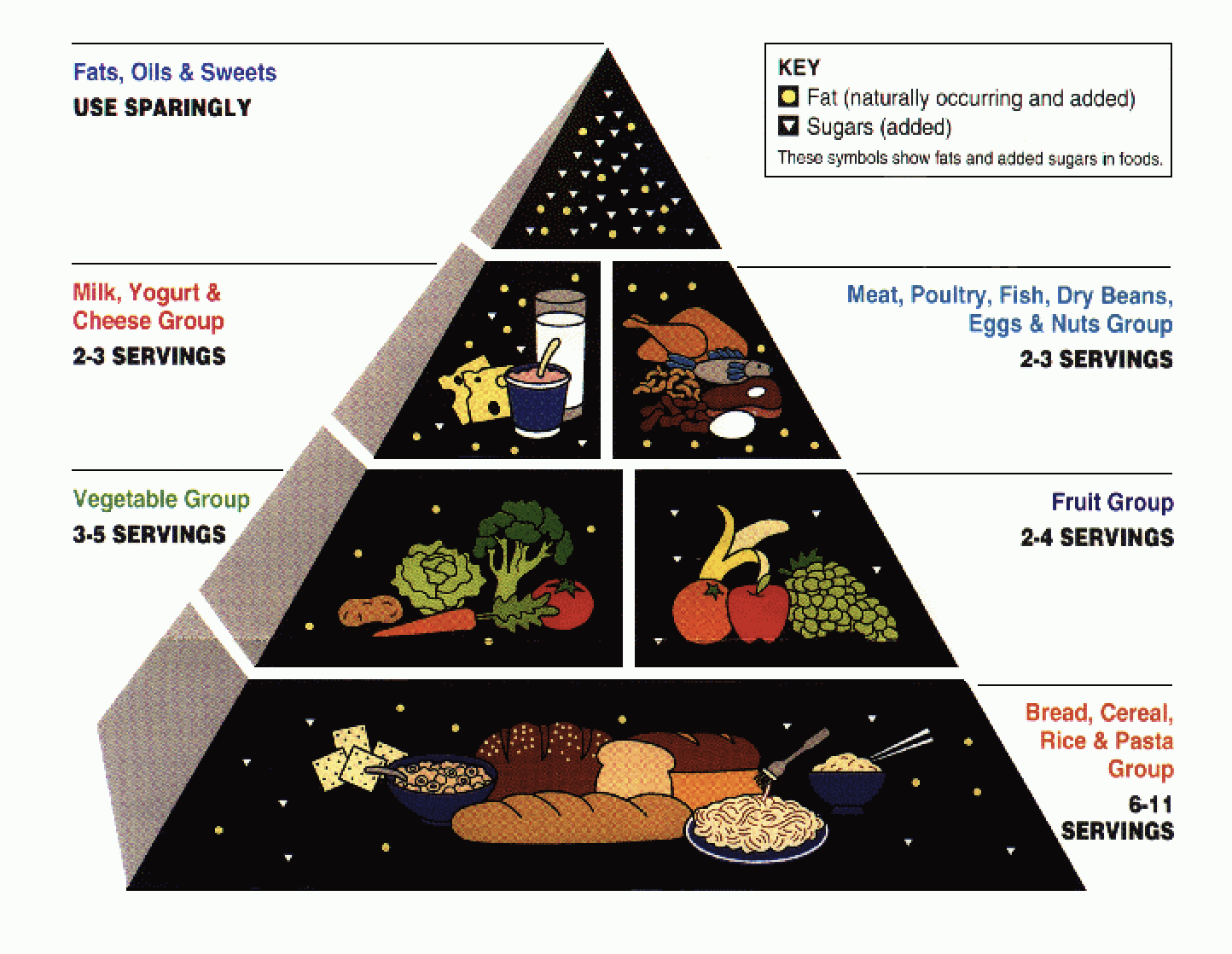
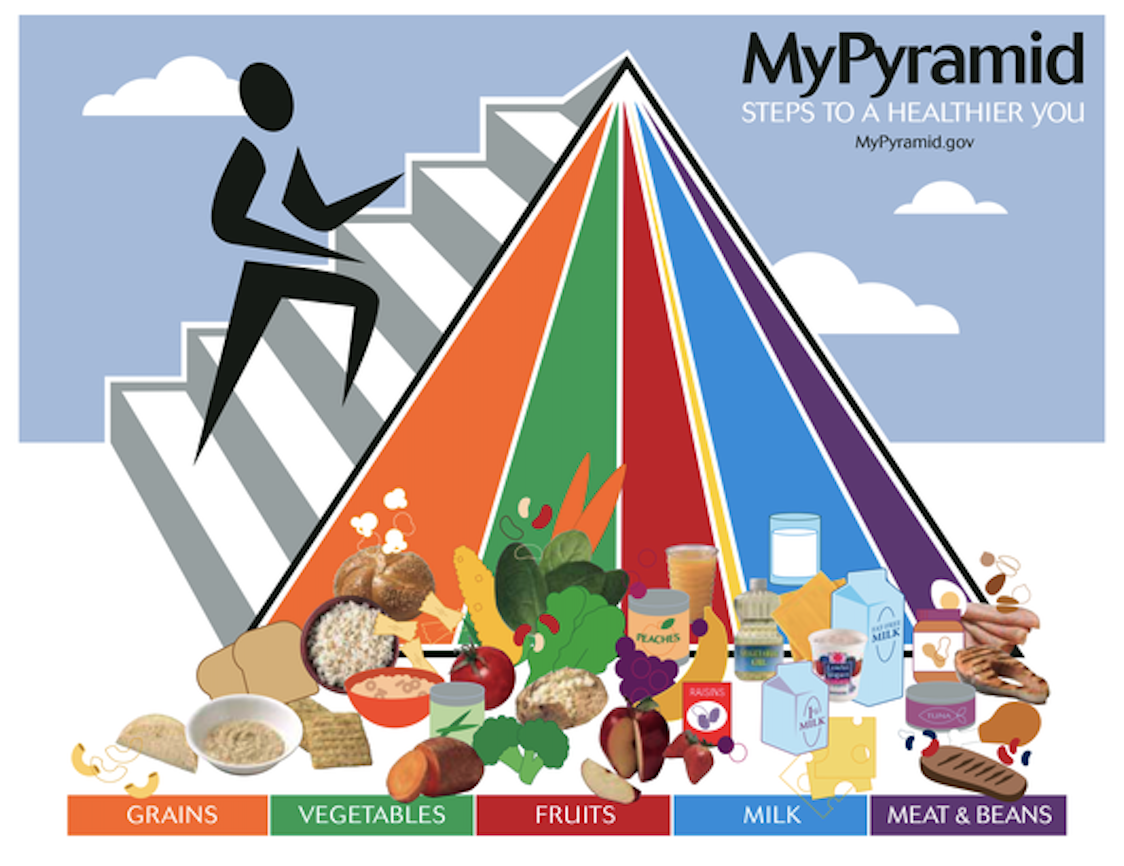
Here is a path of the USDA Food Icon over the years:
Food Guide Pyramid (1992) → MyPyramid (2005) → MyPlate (2011) → Inverted Food Pyramid (2026)