Evaluating Sugar Substitutes
Many people use sugar substitutes to reduce their empty calorie intake and improve their health. But do these products actually live up to their hype?
Are Sugar Substitutes Safe?
Generally, yes. There are a few “howevers,” but, in general, sugar substitutes are safe to eat. All sugar substitutes are regulated and evaluated by the Food and Drug Administration (FDA). These items must be individually approved or deemed “Generally Recognized as Safe” before they can be sold to consumers.Honey is safe for almost everyone. However, it should not be given to children who are less than one year old. That’s because it harbors spores that can cause infant botulism.Neotame, acesulfame potassium (Ace K), and refined stevia have all been approved for almost every culinary use. The FDA has only approved refined stevia. The leaves and crude extracts of the stevia plant have not been approved for consumption or sale. Acesulfame potassium is not allowed in meat and poultry.Aspartame, saccharin, and cyclamate had all been banned at some point in their history, though most are back on the market now. While some studies initially linked saccharin to bladder cancer, later experimentation revealed that link existed ONLY in lab rats and did not occur in humans. Saccharin was removed from the list of known carcinogens in 2000 and has been considered safe ever since. The same holds true for aspartame. Though it was initially linked to certain types of cancer, multiple studies (including an extensive 5-year study by the National Cancer Institute) now show that there is no such link. However, people with phenylketonuria (PKU) cannot consume aspartame because their bodies cannot process it safely.Cyclamate, on the other hand, was banned when its apparent cancer links surfaced. Though the studies (and their results) were later reevaluated, cyclamate was never again approved for sale. It is still banned and appeals are not being considered for other reasons.Sugar alcohols are safe for consumption in moderate amounts. However, when consumed in excess, sugar alcohols can cause diarrhea, bloating, and even weight gain. Among diabetics, they have occasionally raised blood sugar levels.
Are Substitutes Effective?
Controversy abounds about the effectiveness of sugar substitutes and weight loss efforts. In fact, what determines a sugar substitute’s effectiveness is its use. For example, honey and agave are sweeter than sugar, but if you use the same amount of honey/agave as you would sugar, gram for gram, you won’t save any calories. It is only when you use less honey/agave than sugar that you see calorie savings. Using sugar substitutes in foods like cookies and cakes does not provide a significant calorie reduction, since those foods still contain significant amounts of calories from fats and flours. Where sugar substitutes make the biggest calorie-saving difference seems to be in sugary drinks.
 Save Calories with Sugar Substitutes in Beverages
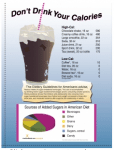
Since sweetened drinks are the largest source of added sugars in the American diet, switching to low/no-calorie beverages can save a lot of calories over time. Of course water is the very best choice, but many people still like flavored drinks. Diet drinks may help lower calories in that instance. The average 12-ounce can of soda contains approximately 10 tsp of sugar, which adds up to 150 calories per can. If you were to replace a single can of regular soda with a can of diet soda daily, you would save 54,750 calories per year!Brought to you by: TheNutritionEducationStore.com. Check out our posters, PowerPoint Shows, games, and handouts that all discuss food safety, healthful substitutes, MyPlate, and much more!
Nutrition Education Store
Look What's New in Our Store