Got Boba Tea?

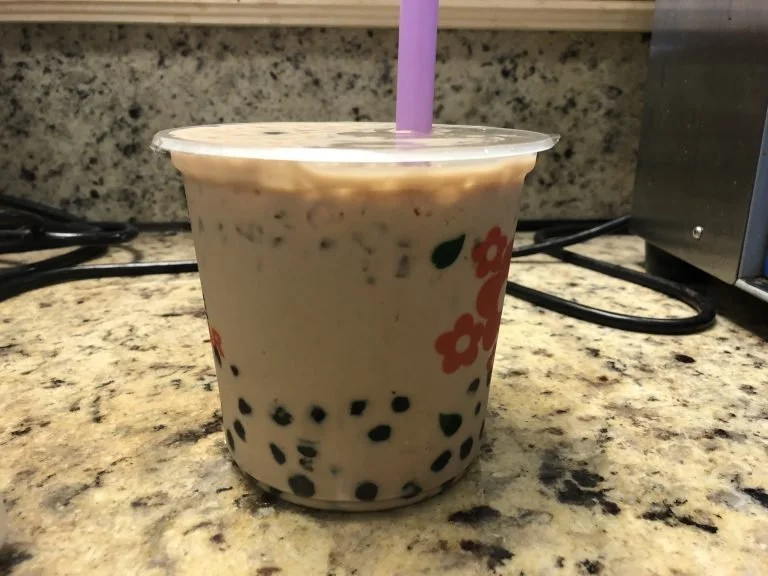
There is a new kid on the block when it comes to beverages. Here in San Francisco, you see boba tea shops popping up everywhere. They are a huge hit!
Chances are, if you live in a big city or anywhere with a large Asian population, you will see them.
What is a "boba tea" drink?
According to Wikipedia, Bubble tea is a Taiwanese tea-based drink invented in Tainan and Taichung in the 1980s. Boba means bubble, and it usually refers to the tapioca pearls that sink to the bottom of this cold beverage.
What is in boba tea? Boba tea is a brewed tea with various ingredients, including sugar, fruit juice, tapioca, cream, milk, fruit jellies, and whole fruits like lemon or ice cream.
Pictured below are the tapioca pearls, which add a huge appeal to this tea drink.
The serving size of boba can often compare to a large soda, ringing in at 16 ounces or larger. This one is called "milk tea" because it is made with whole milk and black tea and it contains tapioca pearls at the bottom. Like all boba tea drinks, it has a plastic seal on the top, which makes them very convenient because they do not spill.While tea has been mentioned in many of our articles for its excellent phytochemical properties, its additions are always not in the same league!
Tips:
If you are ordering a boba drink, make sure you specify "unsweetened," or the added sugar will add more calories. Stick with green tea or unsweetened varieties.
For a handy chart that shows the calories of a sweetened boba drink, see the MyFitnessPal chart here.
Keep the boba drinks, including ice cream or cookies for special occasions or when sharing with someone else.
Request skim milk or soy milk instead of whole milk or cream.
Enjoy!
Nutrition Education Store
Look What's New in Our Store