Daily Breakfast Brings Weight Loss
The old adage that “breakfast is the most important meal of the day” is still relevant today. Recent research by Dr. Hana Kahleova, from the Loma Linda University School of Public Health (LLUSPH), in California evaluated the effect of meal timing and weight gain and found some very interesting results.
Her colleagues in addition to researchers from Institute for Clinical and Experimental Medicine and the Institute of Endocrinology studied the Seventh Day Adventist population. This population was chosen as they have lower risk of developing chronic conditions such as diabetes, hypertension, heart disease and cancer. 1
The study is part of the Adventist Health Study-2, a health study observing over 96,000 Seventh Day Adventists in the US and Canada aged 30 and up. The research investigated the possible association between how frequently people eat and BMI. Body types varied among participants and eating habits and health status was monitored approximately 7 years. Initially, subjects were asked to fill out questionnaires regarding medical history, eating habits, exercise and other pertinent information. As the study progressed, they were asked to report any medical conditions or major health events. The final questionnaire asked what times most meals were consumed and how often. 1
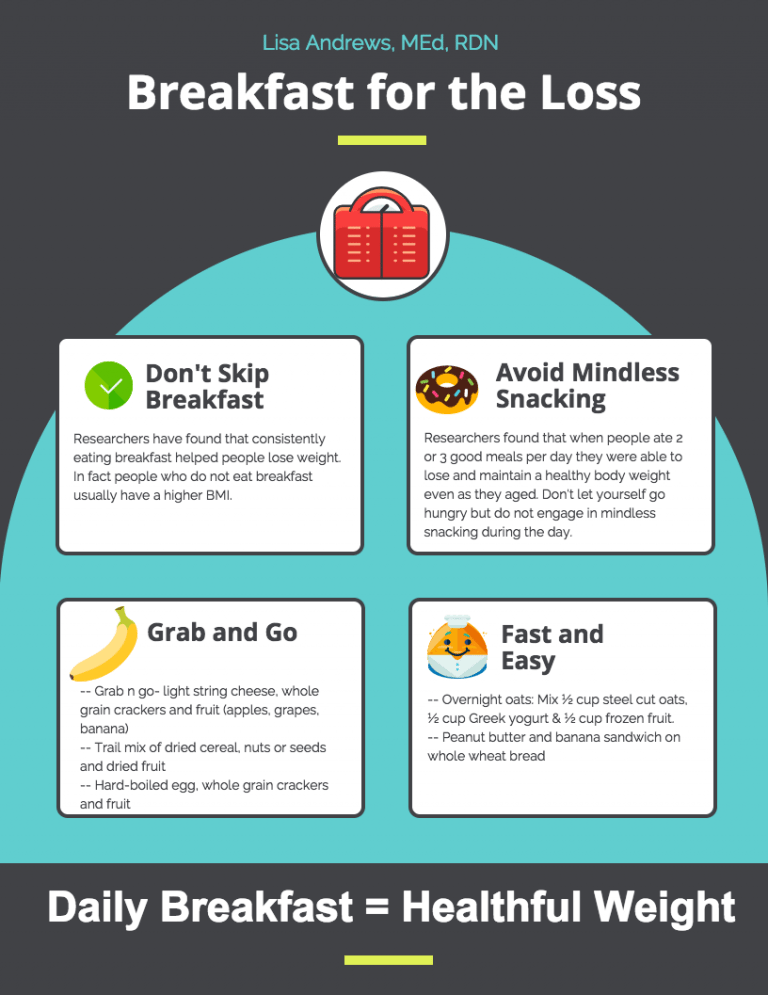
The study had some interesting results. For example, participants that ate only a few meals per day had the lowest BMI and those that ate at least three meals per day had the highest BMIs. Those that consumed frequent snacks along with meals experienced the most weight gain. The researchers also discovered that subjects that ate breakfast most consistently lost the most weight and that those with a bigger breakfast VS lunch or dinner, experienced the greatest drop in BMI. 1
In addition, the study found that short and longer bouts of fasting contributed to weight loss. Subjects that did not eat for 5-6 hours between breakfast and lunch or lunch and dinner and those that simply skipped dinner (leaving 18-19 hours between meals) had the greatest weight loss. Finally, the researchers found a link between advancing age and BMI, but not what you typically see in Americans. With increasing age above 60, BMIs tended to be lower. They noted that those under the age of 60 in the habit of eating breakfast avoided gaining weight that is traditionally expected with age. 1,2.
— By Lisa Andrews, MEd, RD, LD
References:
1. http://publichealth.llu.edu/adventist-health-studies/about
2. Chung, et. al, Muscle enzyme explains weight gain in middle age. Cell Metabolism | Vol 25, Iss 5, pages 977-1208, (2 May 2017)
Nutrition Education Store
Look What's New in Our Store