Happy Salsa Month!
Did you know that May is salsa month? Celebrate it today with a few fun facts. We'll post a few tasty salsa recipes later this week!
Salsa: More Than Tomatoes
Salsa is a low-fat, high-flavor alternative to gravies and sauces. Not just for chips anymore, salsa is a fantastic topping for poultry, fish, salads, soups, casseroles and vegetables. Red tomatoes were the traditional base for salsas, but with popularity comes variety! Salsas can be sweet or savory. When you think salsa, think mango, papaya, pineapple, orange, summer squash, or roasted vegetables. The term "salsa" has come to mean just about any combination of chopped fruit or vegetables with hot or mild spicing.
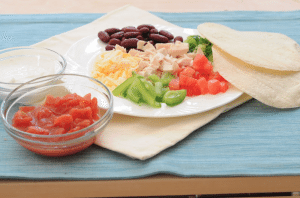 Preparing Salsa: Tips and Tricks
Salsas are easy to prepare. A knife and a cutting board are all that is absolutely essential, although food processors can cut down on prep time. It's a good idea to chop all ingredients down into bite-size pieces. After you've been chopping chilies, do NOT touch your eyes. The capsaicin in chilies is a major irritant.Although most salsa ingredients are used uncooked, chilies can be roasted and nuts can be toasted for more flavor and texture. If you want to roast a fresh chili or bell pepper, first place it on a direct flame (right on the burner or under a broiler). If no direct flame is available, roast peppers on a baking sheet, in the oven, on high heat (400 degrees or higher). Allow to cook, turning, until the skin has blistered. Place the roasted peppers in a bag and allow to "rest" for several minutes. Remove from bag and peel, discarding the skin and seeds.Salsas can be made ahead of time and stored in the refrigerator for up to two days.
Rating Peppers: Is it Hot in Here?
Chilies can be purchased fresh, canned or dried. Pick out a type based on how hot you want your salsa. Bell peppers are extremely mild, while Anaheim chilies are fairly mild. Moving up the scale, jalapenos and serranos are considered hot. Habanero peppers (aka Scotch bonnets) and Thai chilies are very hot.Removing the seeds removes some, but not all, of the heat.By Nancy Berkoff, RD, EdD, CCELooking for more tasty treats? Check out our recipe archive or drop by our store for a wide range of resources.
Nutrition Education Store
Look What's New in Our Store