Med For The Head
There are countless reasons to feed your children nutritious food. In addition to reducing the risk for obesity, diabetes and other chronic illness, nutrition impacts growth and development from the womb and beyond. Scientists recognize that poor nutrition not only affects the body physically, but also mentally. Children suffering from malnutrition at an early age are at higher risk for learning disabilities. For example, iron deficiency can reduce dopamine transmission and negatively impact brain function and cognition. 1 B vitamin deficiencies (thiamine, B6) as well as mineral deficiencies (zinc, iodine) can also affect concentration and learning. 2 It’s no secret that kids that eat breakfast score higher on exams than those that don’t as their focus is on learning and not a growling stomach. Thankfully, free breakfast and lunch programs in schools have gained popularity over the years, but the quality of the food makes a difference.New research suggests that certain dietary components may also impact the risk for Attention Deficit Hyperactivity Disorder (ADHD), a psychiatric condition that affects approximately 3-4% of children and teens globally. ADHD is one of the most common neurobiologic disorders and scientist believe its consequences can span into adulthood. Symptoms include impulsiveness, hyperactivity and attention- deficit. Currently, the most effective treatments include medical and psychological treatments as well as educational psychology intervention. 3According to a recent study published in the journal Pediatrics, Mediterranean diet patterns have been linked with a lower diagnosis of ADHD. Researchers in Spain are investigating how poor quality diet (higher in processed foods and lower in fruits and vegetables) affects the risk for ADHD. The authors theorize that poor quality diets are more likely to be deficient in iron, zinc, magnesium and other nutrients that may be protective of the development of ADHD.A poor quality diet contains more processed foods such as fast food, fried snacks, pastries, soda, and other foods that offer little nutritionally. Scientists also believe that the impulsiveness of children with ADHD may lead them to a vicious cycle of poor food choices, potential nutrient deficiencies and poor behavior.3A Mediterranean diet is rich in fruits, vegetables, nuts, seeds, legumes, low fat dairy, whole grains and minimal sugar, red meat and processed foods. Switch from white to whole wheat bread or pasta and add leafy vegetables or tomatoes to sandwiches, casseroles and soup. Snack on fruit, unsalted nuts or seeds or light string cheese and yogurt. This dietary pattern has been found to reduce the risk for cardiovascular disease and may also play a role in reduction in mental health disorders such as dementia. More research in this area is needed to prove cause and effect. 3References1. Pollitt E. (1993). Iron deficiency and cognitive function. Annual Review of Nutrition, 13, 521–537.2. Chenoweth, W. (2007). Vitamin B complex deficiency and excess. In R. Kliegman, H. Jenson, R. Behrman, & B. Stanton (Eds.), Nelson Textbook of Pediatrics, 18th edition. Philadelphia: SaundersAlejandra Ríos-Hernández, José A. Alda, Andreu Farran-Codina, Estrella Ferreira-García, Maria Izquierdo-Pulido. The Mediterranean Diet and ADHD in Children and Adolescents. Pediatrics, 2017; 139 (2): e20162027 DOI: 10.1542/peds.2016-2027By: Lisa Andrews, MED, RD, LD
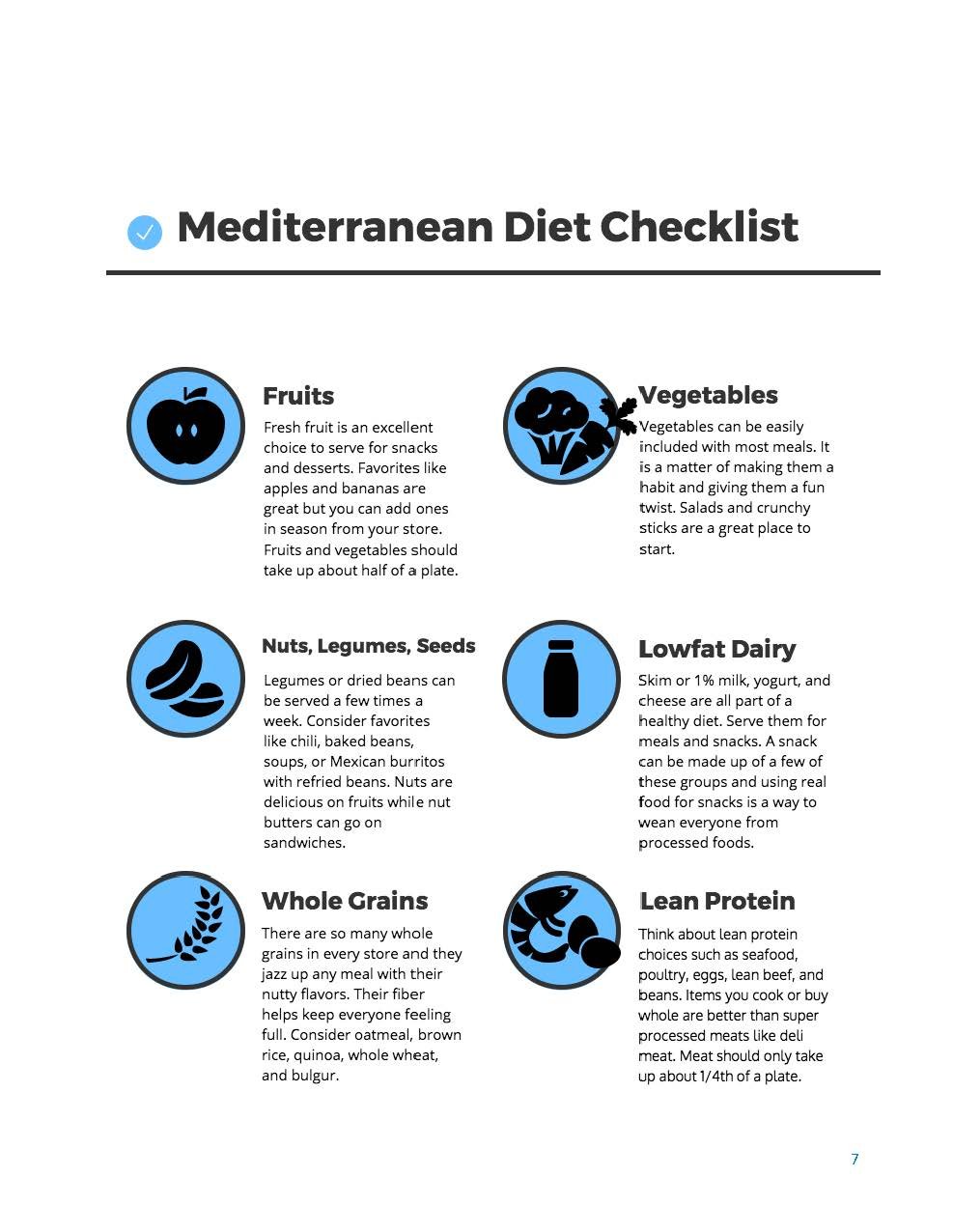 Handout With ArticleHandout With Infographic
Nutrition Education Store
Look What's New in Our Store