3 Reasons to Switch To Tea
January is Hot Tea MonthThere is no better time to experiment with tea for your beverage choice. Here are 3 reasons to drink more tea or to switch from coffee to tea more often: Tea is more reasonable on your pocketbook, easier on your waist, and beneficial for your health. Scroll below for a free handout.Pocketbook benefits: Tea is often an inexpensive substitute for coffee or soda. Consider the costs:
- One ounce of coffee (makes about a 16 ounce cup) = .39 to .75
- One can of soda: .48 to $1.50
- One tea bag = .04 to .12
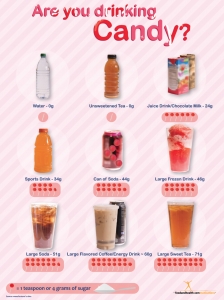
We often brew "refrigerator iced tea" using 2-3 bags of tea for 2 quarts so our cost is about .08 per half gallon, which is very inexpensive (compare to soda which can cost about $1.60 for the same amount on average).Low in calories: And of course, unsweetened tea contains a lot less sugar and calories as compared to soda which often rings in at about 39 g per can. Even if you add a teaspoon of sugar to your tea you will only add about 5 g as compared to the 8 teaspoons that are often found in a can of soda. And tea doesn't seem to need as much cream, flavor, or sugar as some "barista-inspired" coffee drinks that can yield over 300 calories per cup.Full of health benefits: Tea has many health benefits and "phytochemicals" or beneficial plant chemicals. Here is an overview from Communicating Food for Health Library (subscribe now for access):
Tea is good for your bones. An epidemiological study, published May 13th in the Archives of Internal Medicine (2002;162:1001-6) by C-H Wu, et al, compared tea drinkers with those who don't drink tea. They found that those who drank tea for 10 or more years had the strongest bones.Tea is good for your heart. A 5.6 year longitudinal analysis of data from the Rotterdam Study found a 70% lower risk of a fatal heart attack in those who consumed at least 2-3 cups of black tea daily compared to those who were not tea drinkers. The authors concluded, “An increased intake of tea and flavonoids may contribute to the primary prevention of ischemic heart disease.”Tea is good for your teeth. It is a great natural source of fluoride and the tannins in tea may suppress the growth of plaque bacteria. Stronger teeth and less plaque are the key to keeping your teeth into old age.Many studies in animals have found that black and green teas contain phytochemicals that seem to help prevent a variety of cancers. More research is needed but epidemiological studies do suggest that it is likely to prove beneficial.
Tea contains less caffeine, on average:
- 1 cup coffee = 95 to 200 g
- 1 cup tea (black) = 20 to 60 g
- 1 cup tea (green) = 25 to 40 g
Source: manufacturer's data Recipe: Rosemary Lemon TeaMix things up with this fresh and simple herbal twist tea. It makes a great "wake me up" breakfast tea or it can be an exciting culinary adventure for dessert!1 tsp fresh or dried rosemary leaves1 green tea bag1 cup boiling water1 slice lemonAdd the rosemary and green tea bag to 1 cup of boiling water. Add the lemon slice and steep in a covered container for ten minutes. Serve hot. Chef's Tips:For a milder tang, try a slice of lime instead of lemon.You can strain out the rosemary before you drink the tea or leave it in to further boost flavor.This post is brought you by the Nutrition Education Store.Check out our resources on sugar awareness, portion control education, and beverages: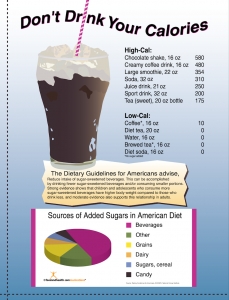
 Portion Control:
 26 Lessons of Wellness and Weight Control:
 Thousands More Handouts, Newsletters, and Articles:Download a Free Handout: Try More Tea Handout
Nutrition Education Store
Look What's New in Our Store