Western Diet Promotes Return of Colon Cancer
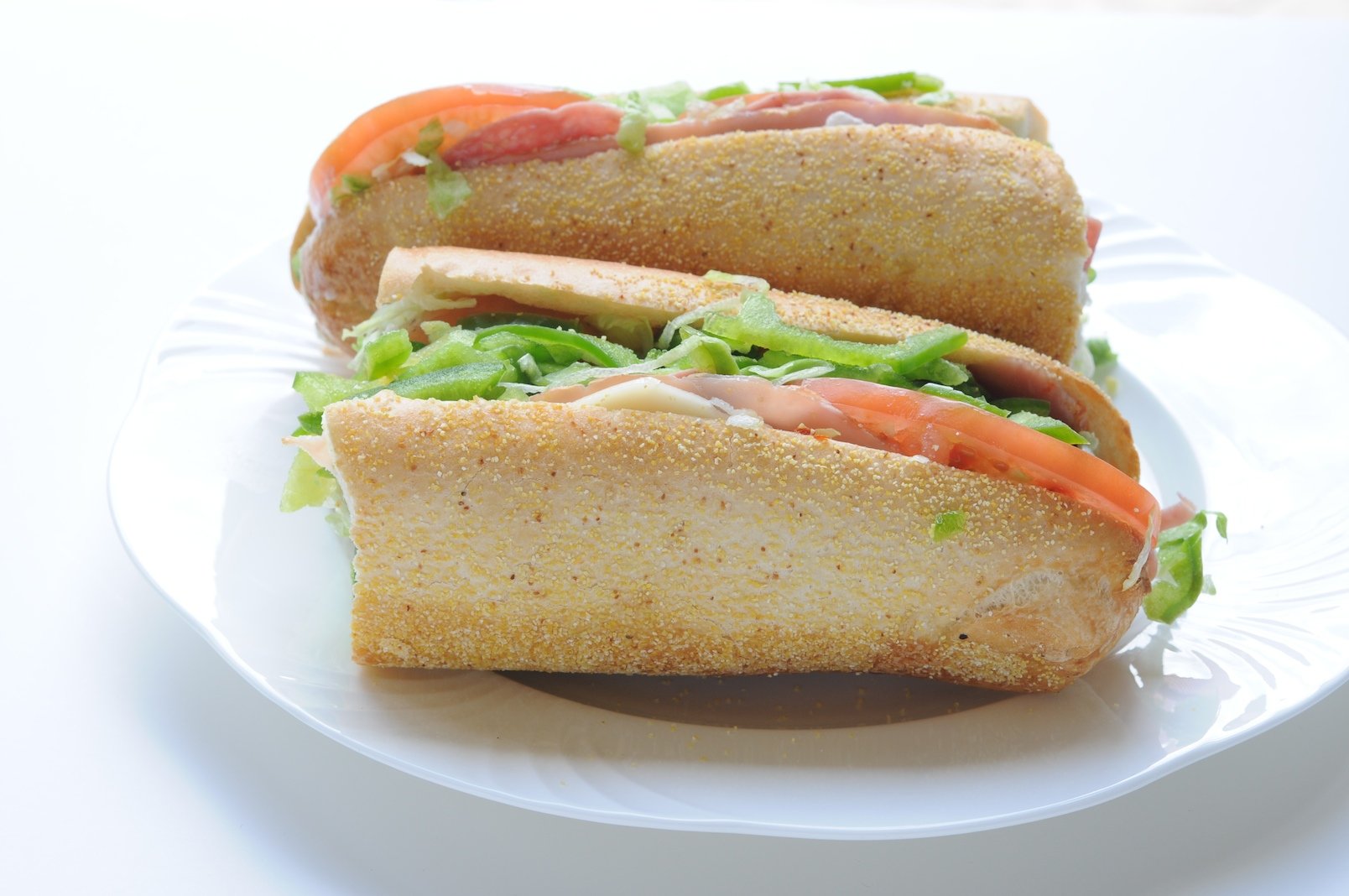 A typical modern Western diet is characterized by a high intake of red meats, fatty dairy products, processed meats, sweets and desserts, French fries, and refined grains. Two large prospective studies found people who consume such a dietary pattern are significantly more likely to develop colon cancer than people consuming a more prudent diet with less of those typical American diet foods but more fruits, vegetables, whole grains, beans, and moderate amounts of fish and poultry.1, 2 Colon cancer is on the rise in many Asian and European countries, as fast food restaurants, processed foods, and growing affluence enable more and more people to adopt a more Westernized dietary pattern. Clinical trials and epidemiological evidence suggests that a least 80% of the colon cancers in the United States could be prevented if Americans were to adopt a better diet.
While the Western dietary pattern promotes colon cancer, little research has been done to determine if sticking with it after colon cancer is diagnosed and treated makes a difference. Dr. Jeffrey Meyerhardt at the Dan-Farber Cancer Institute in Boston lead a team of researchers who followed 1009 people diagnosed and treated (with surgery and chemotherapy) for stage III colon cancer for a median of 5.3 years.3 These researchers used a Food Frequency Questionnaire to determine if dietary pattern would influence the risk of developing a recurrence of colon cancer. Of the original 1009 subjects, 324 had a colon cancer recurrence and 223 of them died during follow-up from a recurrence of their colon cancer. Another 28 subjects died from other causes but without evidence of their cancers recurring. During follow-up the top 20% of subjects with the most Westernized dietary pattern were found to be about 3 times more likely to develop and die from a recurrence of their colon cancer than the 20% who consumed the least Western-style diets.This new study suggests even adopting a healthier diet after being treated for colon cancer markedly increases one’s odds of remaining cancer free and avoiding death from colon cancer and other causes.By James J. Kenney, PhD, RD, FACN1. Arch Intern Med 2003:163;309-142. Cancer Causes Control 2004;15:853-623. JAMA 2007;298:754-64
Nutrition Education Store
Look What's New in Our Store

Build-a-Plate Teaching Kit with Food ModelsView in store →

Meet the Kernel Whole Grain Replica BundleView in store →

Lunchtime Hero 3D Award Figure + Activity GuideView in store →

How Much Sugar? Test TubesView in store →

NEW! 3D-Printed Sugar Cubes: Stack the SugarView in store →

How Much Salt? Test TubesView in store →

How Much Fat? Test TubesView in store →

The New Pyramid Poster 2026 (18"×24")View in store →

New 2026 Food Pyramid TearpadView in store →

MyPlate Handout TearpadView in store →

Food Label Math Poster (18"×24")View in store →

Sip Smart Hydration TearpadView in store →

Are You Drinking Candy? Banner on Stand (24"×67")View in store →

MyPlate Portion Plates (Pack of 10)View in store →

Fruit & Vegetable Pens (Pack of 10)View in store →

Fruit-Shaped Note Pads (Pack of 10)View in store →

NEW! Eat Real Food Wristbands (Pack of 20)View in store →

NEW! Habit Stack Wristbands (Pack of 20)View in store →

NEW! Are You Drinking Candy? Wristbands (Pack of 20)View in store →