

Do Overweight People Live Longer?
 Overweight Americans do live longer than normal weight Americans, if you believe the results of a widely publicized study in the Journal of the American Medical Association.1 The results of this study showed overweight people (BMI = 25 to 29.9) were less likely to die than those who were normal weight (BMI = 18.5 to 24.9). This same study found that obese people (BMI > 30) were a little more likely to die than normal weight people but much less so than had been suggested by most earlier studies.
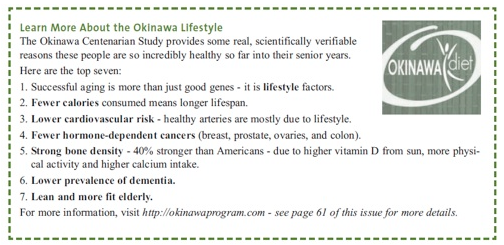
The results were heavily touted in the media and many overweight and obese Americans no doubt took solace in the findings. Sadly, this study was seriously flawed because it combined data gathered from the 1970s when Americans were thinner, but did not live as long as people in more recent decades. Another major flaw in this study was that it ignored the fact that people who are sick or aging faster often start losing weight long before they die. Many formerly overweight and obese people may become thin or even underweight before they die when illness and aging are causing both weight to be lost and greater mortality. So being normal weight and particularly underweight (BMI < 18.5) in this study may have been correlated with dying sooner, but this does not mean being thin increases one’s chances of dying.Numerous studies which have followed the same people for a long time show many adverse metabolic changes occurring with increasing body fat stores. For example, insulin resistance is strongly associated with the development of type 2 diabetes and more deaths from cardiovascular diseases. Overweight and obese people are also at increased risk of developing many types of cancer and are more likely to develop fatty livers, osteoarthritis, Alzheimer’s disease and numerous other ills.Could Increased Body Fat Slow the Aging Process?Not likely. It is well established that calorie restriction retards biological aging and delays or prevents most age-associated disease processes in rodents.2 Research in monkeys at the National Institute of Aging showed monkeys experience the same reductions in aging seen in rodents.3 It seems likely that the slow down in the aging process associated with decreased calorie intake in animals would also occur in people.Indeed, a study published in the June 2005 online edition of the Lancet, by a team of British and American researchers, suggests overweight and obese people are aging faster than normal weight people. Dr. Spector of St. Thomas Hospital in London, looked at the length of telomeres in the white blood cells of 1,122 New Jersey women aged 18 to 76.Telomeres are at the ends of chromosomes. They shorten with age and so represent a kind of biological clock. The shorter telomeres in the obese women showed their biological clocks had ticked away an extra 9 years.Calorie restriction in animals has been shown to slow the shortening of telomeres and slow aging. So it appears being overweight or obese not only increases the risk of many life threatening diseases, but also causes people to age more quickly.The oldest documented human population lives in Okinawa, Japan. Middle-aged and older Okinawans have an average BMI of about 21.6, whereas middle-aged and older Americans now have an average BMI in the overweight range. The prevalence of centenarians is 5-10 times higher in Okinawa as in the U.S. Life expectancy and disability-free years are six years greater on Okinawa than in the U.S. In the U.S., people in their 30s with a BMI of 19 to 21.5 are 2-3 times less likely to die each year as those who are obese (BMI > 30).4
The evidence clearly demonstrates overweight and obese people are at increased risk of dying earlier from a variety of diseases and appear to be aging faster too. By contrast, growing evidence suggests people who reduce their calorie intake and remain very lean throughout life will live significantly longer and healthier lives.By James J. Kenney, PhD, RD, LD, FACN.References:1. JAMA 2005;293:1861-72. Am J Clin Nutr 1992;55:1250S-2S3. J Clin Endocrinol Metab 2002;82:2093-64. Nutr Rev 2000;58:129-37
Nutrition Education Store
Look What's New in Our Store

Build-a-Plate Teaching Kit with Food ModelsView in store →

Meet the Kernel Whole Grain Replica BundleView in store →

Lunchtime Hero 3D Award Figure + Activity GuideView in store →

How Much Sugar? Test TubesView in store →

NEW! 3D-Printed Sugar Cubes: Stack the SugarView in store →

How Much Salt? Test TubesView in store →

How Much Fat? Test TubesView in store →

The New Pyramid Poster 2026 (18"×24")View in store →

New 2026 Food Pyramid TearpadView in store →

MyPlate Handout TearpadView in store →

Food Label Math Poster (18"×24")View in store →

Sip Smart Hydration TearpadView in store →

Are You Drinking Candy? Banner on Stand (24"×67")View in store →

MyPlate Portion Plates (Pack of 10)View in store →

Fruit & Vegetable Pens (Pack of 10)View in store →

Fruit-Shaped Note Pads (Pack of 10)View in store →

NEW! Eat Real Food Wristbands (Pack of 20)View in store →

NEW! Habit Stack Wristbands (Pack of 20)View in store →

NEW! Are You Drinking Candy? Wristbands (Pack of 20)View in store →