

Free Nutrition Articles and Handouts by Food and Health Communications
You're already here for the free content — this is just a small taste of what members get. A full library of 650+ handouts, 240+ PowerPoint presentations, 900+ recipes, cooking video lessons, a monthly newsletter and white label version customizable in Canva, a health observances calendar, and eight interactive health calculators — all organized, searchable, and ready to use the moment you join.
Click any card below to explore. Members go straight in. Not a member yet? You'll be invited to join.
The 12 Types of Lettuce
If you routinely choose just one or two different types of lettuce, break out of the rut and experiment with something different for more flavor, texture differences, and a range of nutrition benefits!
Free Handout: Nutrition Basics
Understanding nutrition and good health is tough. Here's a handout with a few of the basics. I hope it makes your life (and your clients' lives) easier...
Eating in Color: Green
It's time for more eating in color! This time we've got a fun favorite fruit to spotlight: the kiwi!
Eating in Color: Yellow, Part Two
Eating in Color is back, and this time we've got a fantastic yellow vegetable in mind: corn!
Eating in Color: Yellow
How are you liking the Eating in Color series so far? Today we're tackling yellow fruits and vegetables, with a special spotlight on the banana!

MyPlate Exploration: Beans and Peas
The exploration of MyPlate vegetable subgroups continues with beans and peas! Get all the details about their nutrient profiles and impact n health, along with great free recipes that feature beans and peas...

MyPlate Exploration: Red and Orange Vegetables
Remember the Flavor Exploration series from 2014? In that collection, we took an in-depth look at amazing flavor powerhouses, examining their nutrient content, impact on health, history, and culinary uses. Now it's time to do the same thing with MyPlate's subgroups, starting with vegetables.
Handout of the Week: Beans Instead of Beef
As I was putting together the member-exclusive February newsletter, I stumbled upon this handout that I thought might be useful for you...
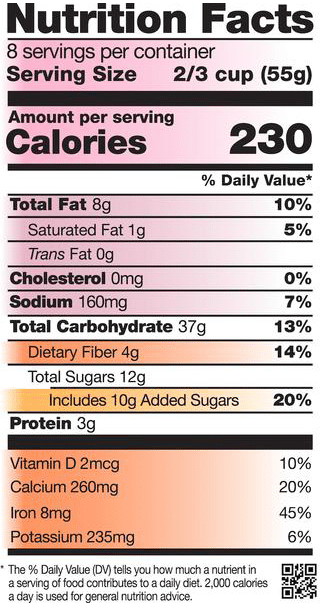
Reading a Food Label in 3 Easy Steps
Sometimes the Nutrition Facts label can be a bit overwhelming. Yes, it's full of helpful information... but it's that very fullness that can make it hard to navigate. Let's break down the keys to the Nutrition Facts label to make it easier to understand and use in day-to-day life.
Juice Comparison Chart
Compare the nutrient profiles of these 10 top juices to determine whether any fit into a healthy and balanced eating pattern...
Nutrient Adequacy and USDA Food Patterns
Do your clients ever wonder why the USDA advises people to follow MyPlate and the Dietary Guidelines for Americans?
New Food Label Spotlight: Vitamins and Minerals
By now you've probably heard all about the FDA's new food label design. Today I want take an in-depth look at some of the changes, focusing on the new "nutrients required" section...
Focusing on Dressing: Are We Missing the Point?
Any time we switch from pale "greens" like iceberg lettuce to darker-colored leafy greens like kale, spinach and Romaine, we gain important phytochemicals and antioxidants that are present in larger quantities in darker-colored vegetables...
MyPlate Meal Makeover
It's time for another MyPlate meal makeover! This time we're focusing on pizza...
Following the Guidelines with a Healthy Eating Plan
The 2015-2020 edition of the Dietary Guidelines for Americans was recently released and there has been a shift in the recommendations from a concentration on individual nutrients to a focus on a generally healthy eating pattern. But what exactly is an “eating pattern”?
The 2015 Dietary Guidelines: Eating Patterns
This first chapter addresses 3 of the 5 new dietary guidelines from the 2015-2020 edition of the Dietary Guidelines for Americans. Learn about healthy eating patterns, the quantitative limits for certain food elements, and much more, all in today's post!
Eat More Fruits and Veggies with Smoothies
From kids to kids at heart, everyone can enjoy a delicious and nutritious smoothie to increase their fruit and vegetable consumption.
Why Eat Yellow and Orange Fruits and Vegetables?
The contest fun continues with another handout about yellow and orange fruits and vegetables...
Fill Half Your Plate with Fruits and Vegetables at Each Meal
Fruits and vegetables are nutrition powerhouses, yet most people don't eat nearly enough of them each day! Let's take a look at the science behind MyPlate's recommendation to "fill half your plate with fruits and vegetables at each meal."
More handouts and resources from our Nutrition Education Store