

Free Nutrition Articles and Handouts by Food and Health Communications
You're already here for the free content — this is just a small taste of what members get. A full library of 650+ handouts, 240+ PowerPoint presentations, 900+ recipes, cooking video lessons, a monthly newsletter and white label version customizable in Canva, a health observances calendar, and eight interactive health calculators — all organized, searchable, and ready to use the moment you join.
Click any card below to explore. Members go straight in. Not a member yet? You'll be invited to join.

Best Printable Nutrition Month Handouts
We've made a lot of fantastic free nutrition handouts over the years. I was just looking over our site stats, and I was overwhelmed by the amazing positive response they've earned. That's why, today, I'm going to share the top 10 printable nutrition handouts that have gotten the most rave reviews over the past year...
Cooking Oil Smoke Point Chart
Choosing a cooking oil for its smoking point is important if you plan to sear or brown your ingredients.
Cooking Oil Smoke Point Chart
Choosing a cooking oil for its smoking point is important if you plan to sear or brown your ingredients.
Cooking Oil Smoke Point Chart
Choosing a cooking oil for its smoking point is important if you plan to sear or brown your ingredients.
Sodium and the American Diet
Sodium is hiding everywhere. Shocking amounts of it are in restaurant and frozen foods, while many packaged and canned foods have tons of sodium as well. The first step towards reducing sodium intake is learning about which foods have what levels. That's where this chart comes in...

Coffee Creamer Comparison Chart
Anne Linge, RDN, CD, CDE asked if we have any hacks to make coffee healthier... and we were so inspired by her question that we're launching a whole coffee series!
Dietary Guidelines for Americans 2015-2020: The News About Sugar
The Dietary Guidelines for Americans 2015-2020 were recently released and recommendations regarding added sugar intake have been included for the first time. Here's what you need to know...
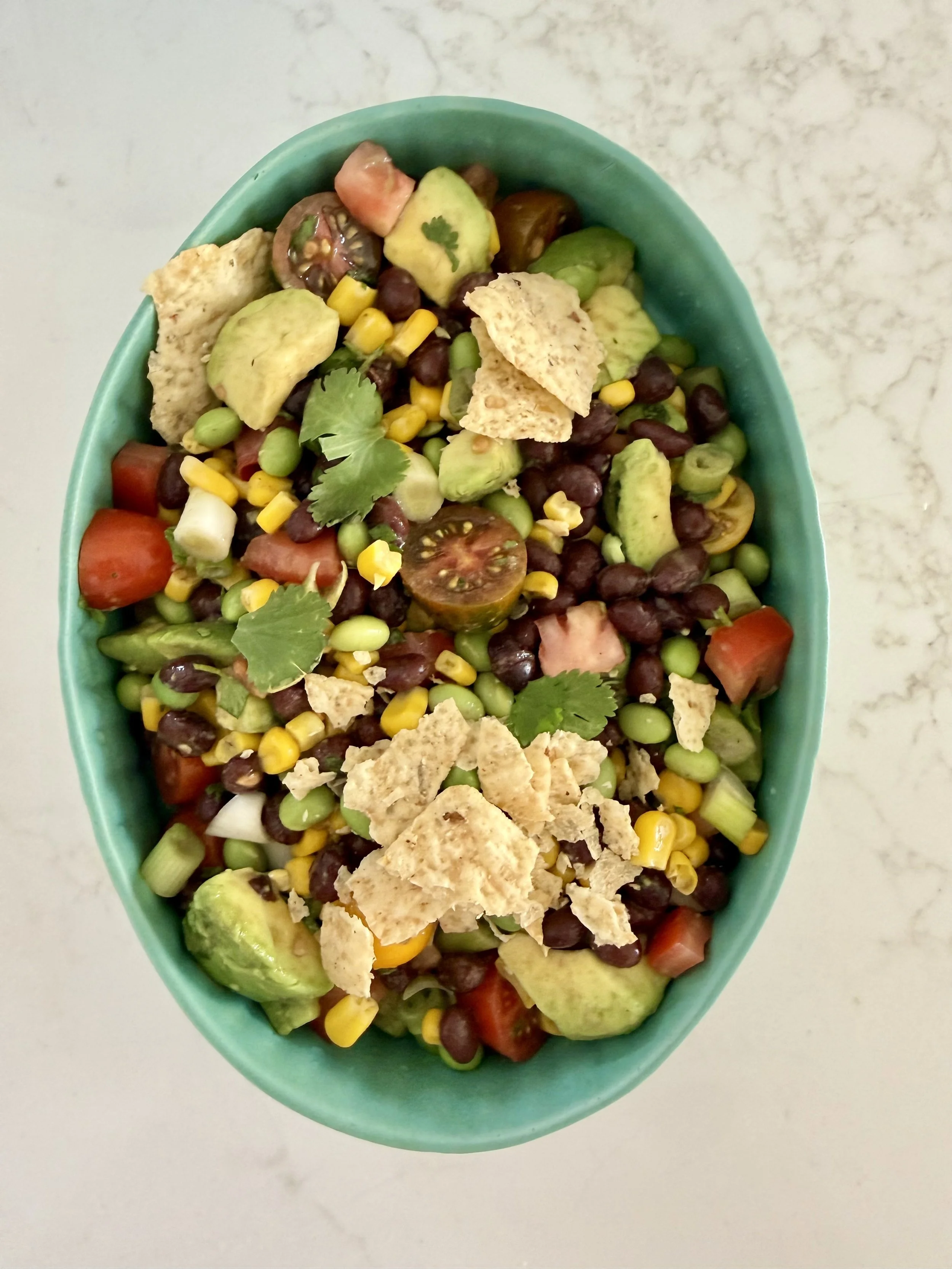
Plant Protein Comparison Chart
Lots of useful dietary advice focuses on consuming more protein from plants and less from animals. However, not all protein sources are equally nutritious. In this post, we’ve taken some of the top plant protein sources and compared nutrition information across the board, so that you can make an informed decision about which proteins to incorporate into your eating pattern.
Holiday Meat Comparison
As the holidays get into full swing, dishes like roasts and baked hams and turkeys all start appearing at festive gatherings with increased regularity. So, how can you navigate these meals while making healthful choices?
Comparing Salad Dressings
the dressing you pour on your salad can add a lot of unexpected calories, fat, sugar, and more! Take a look inside to see how your favorite dressing compares to the others...
Comparing Salad Dressings
the dressing you pour on your salad can add a lot of unexpected calories, fat, sugar, and more! Take a look inside to see how your favorite dressing compares to the others...
Winter Squash: Nutrient Powerhouse
Both summer and winter squash are available year-round, but in the depths of winter, it feels good to turn on the oven and roast some squash or make it into a delicious, smooth-textured soup...
The Dirty Dozen and The Clean Fifteen
The Environmental Working Group analyzes pesticide residue testing data from the USDA and the FDA to develop an annual list of the 12 fruits and vegetables that are most likely to be contaminated with pesticide residues that may be harmful to health. That’s the dirty dozen. They also have a list of the “clean fifteen,” which are the foods that are least likely to be contaminated.
The Scoop on Yogurt
Buying yogurt in bulk is a good idea: Choose non-fat instead of whole milk yogurt for less saturated fat and more protein, then choose plain instead of sweetened yogurt for less sugar and more calcium. In fact, you can add flavor to your yogurt by topping it with fresh fruit yourself!
New Sweetener Chart!
You ask, we deliver! Check out this fantastic new guide to sweeteners -- it's got absolutely everything you need to know!
Reader Request: Diabetes Resources
Here is a large collection of useful diabetes resources, just for you!
Pack Your Mindful Eating Compass On Summer Vacation
When you're on vacation, keep an eye on what I call "your mindful eating compass" – the inner sense of what and how you’re eating.
Juice Comparison Chart
Compare the nutrient profiles of these 10 top juices to determine whether any fit into a healthy and balanced eating pattern...
Healthy Meal Pattern Makeovers
Want to help your clients shift their eating patterns? Don't miss this great new post, which features a helpful chart and fun meal makeovers, all from Beth Rosen, MS, RD, CDN!
More handouts and resources from our Nutrition Education Store