

Free Nutrition Articles and Handouts by Food and Health Communications
You're already here for the free content — this is just a small taste of what members get. A full library of 650+ handouts, 240+ PowerPoint presentations, 900+ recipes, cooking video lessons, a monthly newsletter and white label version customizable in Canva, a health observances calendar, and eight interactive health calculators — all organized, searchable, and ready to use the moment you join.
Click any card below to explore. Members go straight in. Not a member yet? You'll be invited to join.
Successful Weight Management with Plants
Research suggests that dropping meat from your eating pattern may be useful when it comes to successfully managing your weight...
Mediterranean Diet Update
Studies continue to show that a Mediterranean-style eating pattern is good news for health. Here’s some of the latest in Mediterranean diet research...
Finding Your Way to Enough Omega-3s
National and international health organizations recommend that we consume an average of 250 to 500 mg of EPA + DHA daily, yet adults in the US consume only about 90 mg per day, a far cry from the amounts recommended to support healthy hearts, eyes, and brains...
Aging Well: Spotlight on Omega-3s
Omega-3 fatty acids can be a big part of your healthful aging diet because this type of fat helps decrease risk of cardiovascular disease, reduce internal inflammation that is an important component of type 2 diabetes, arthritis, and some types of cancer, and also plays a key role in maintaining active, healthy brain function.
Aging Well with Healthful Fats
As you plan your daily meals and snacks, one important component of promoting physical health and a healthy, functioning brain as you age is the type and amount of fat you consume...
Five a Day? Double it for Best Health!
You’ve likely heard the recommendation to eat at least 5 fruits and vegetables daily for best health. New advice is leaning more towards eating 5 servings of each...
How More Dietary Protein Causes Insulin Resistance
To prevent and treat type 2 DM, a more plant-based diet with a lower calorie density and a higher fiber content coupled with regular exercise remains the top priority...
5 Ways to Ease Into a Plant-Based Eating Pattern
Plant-based eating patterns are linked to a lower risk of type 2 diabetes, heart disease, and other health problems...
Reader Request: Diabetes Resources
Here is a large collection of useful diabetes resources, just for you!
Is Sugar Now Public Enemy #1?
Singling out sugar as now being more responsible for raising BP and cholesterol levels than added salt and fat & cholesterol-rich animal products is clearly a gross distortion of what the best quality scientific data tells us is most likely true...
Tuber 102: The Facts Continue
The fun continues with another teeny-tiny excerpt from the course Plant-Based Eating Pattern: Vegetables. Here's Tuber 102...
Added Sugars Infographic
The American Heart Association recently released a statement that advises all children between the ages of 2 and 18 to consume no more than 6 teaspoons of added sugars per day. That's sage advice, but sometimes it can be a bit tough to follow....
MyPlate's Protein Food Group: What You Need to Know
Don't miss this members-only in-depth look at MyPlate's protein food group!
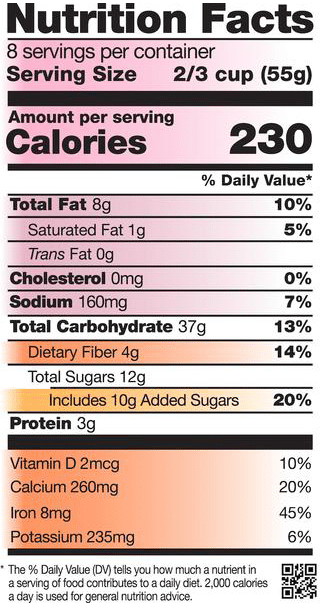
Reading a Food Label in 3 Easy Steps
Sometimes the Nutrition Facts label can be a bit overwhelming. Yes, it's full of helpful information... but it's that very fullness that can make it hard to navigate. Let's break down the keys to the Nutrition Facts label to make it easier to understand and use in day-to-day life.
3 Top Tips to Lower Sodium
"Americans consume too much sodium. High sodium consumption raises blood pressure, and high blood pressure is a major risk factor for heart disease and stroke. Heart disease and stroke are the nation’s first and third leading causes of death"
Does Dietary Salt Promote Obesity?
More research is needed to further elucidate how added dietary salt may be contributing to overeating, weight gain, insulin resistance, and type 2 DM. However, given the overwhelming evidence linking increased salt intake with the development of hypertension and cardiovascular disease, there is no reason not to make it clear that most people would be far better off limiting their sodium intake to no more than about 1500mg/day...
Handout: Fruits, Veggies, and Your Health
Have you gotten your free copy of the Up, Up, and Away fruit and vegetable handout yet? This post makes the perfect companion piece...
Bad "Good" HDL Cholesterol
For many years, most healthcare providers and nutrition researchers have been telling Americans that HDL-cholesterol (HDL-C) is “good cholesterol" because it helps protect arteries from developing atherosclerosis and eventually coronary heart disease (CAD). However, more recent scientific evidence is refuting the simplistic conclusion that more HDL-C is always good...
Amazing Nutrition Handouts: Round Two
The fun continues with the next installment of the most popular free nutrition handouts we've created. Which ones will you use?
Applying the New Protein Information from the Dietary Guidelines for Americans
The new Dietary Guidelines for Americans send a special message to teenage boys and men: eat less meat, chicken, and eggs. What’s a guy to do?
More handouts and resources from our Nutrition Education Store