Happy September!
Hope you are enjoying all of your new tools.
A new Member Dashboard. Your libraries, videos, recipes, calculators, health calendar, linked handouts, and this newsletter now live together in one home base.
Faster searching. The Handout Library and the PowerPoint Library each now have a search box. We added and refreshed hundreds of handouts, bringing the collection to more than 1,650.
More PowerPoint shows, across many new categories. They are searchable, and you can see them in each category, too.
Stir It Up is heating up. Our cooking video series keeps growing and is a member favorite. Play the videos in your classes or at events.
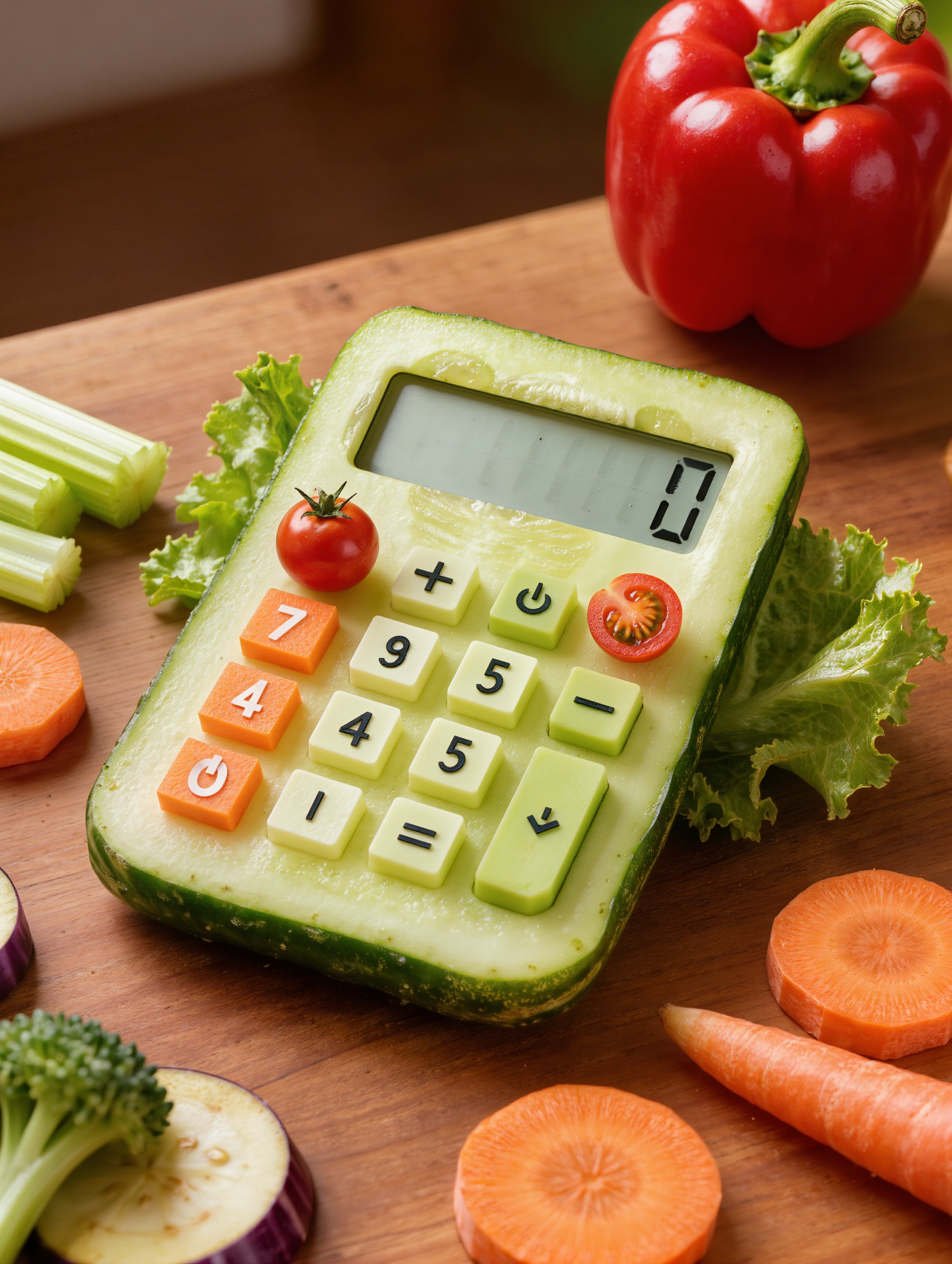
Eight new health calculators, built just for members: BMI, calorie needs, hydration, blood pressure, cholesterol, a heart risk score, the CDC Prediabetes Risk Test, and a MyPlate daily score.
Your September toolkit is below. We hope you are ready for fall.
Cheers!
Judy
PS Have a comment, request, or question? Email me!
Preview This Month
This Month’s Articles
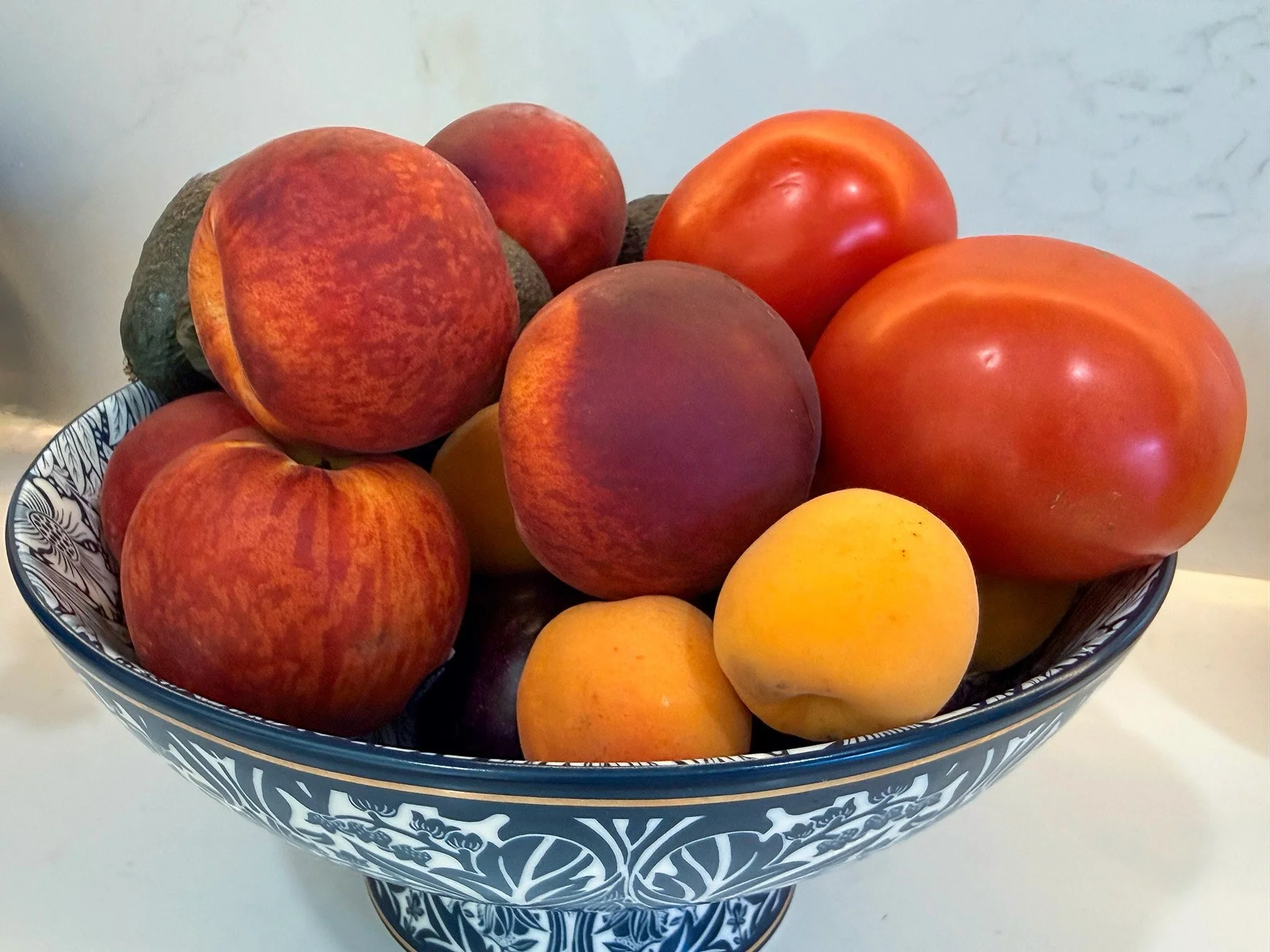
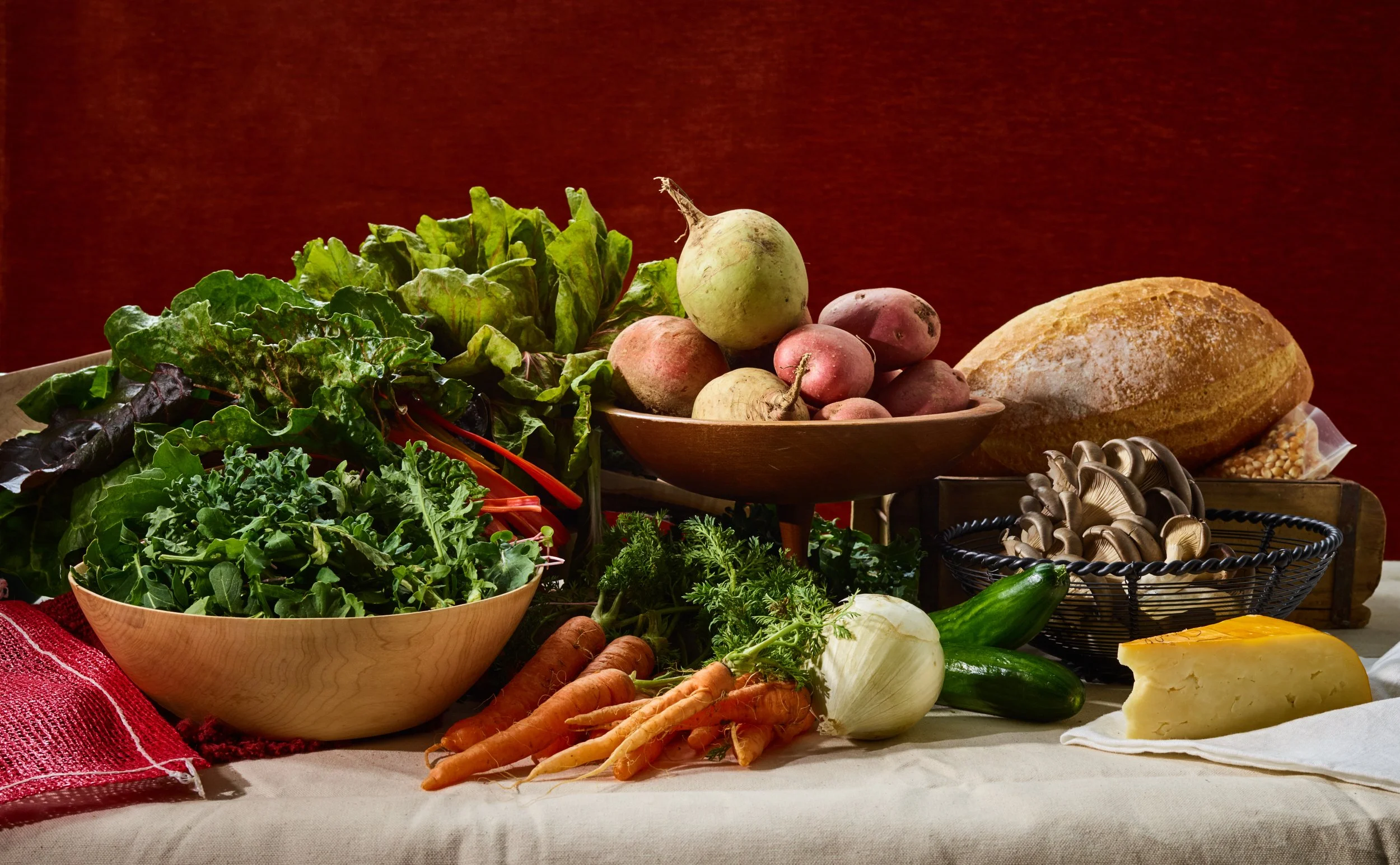
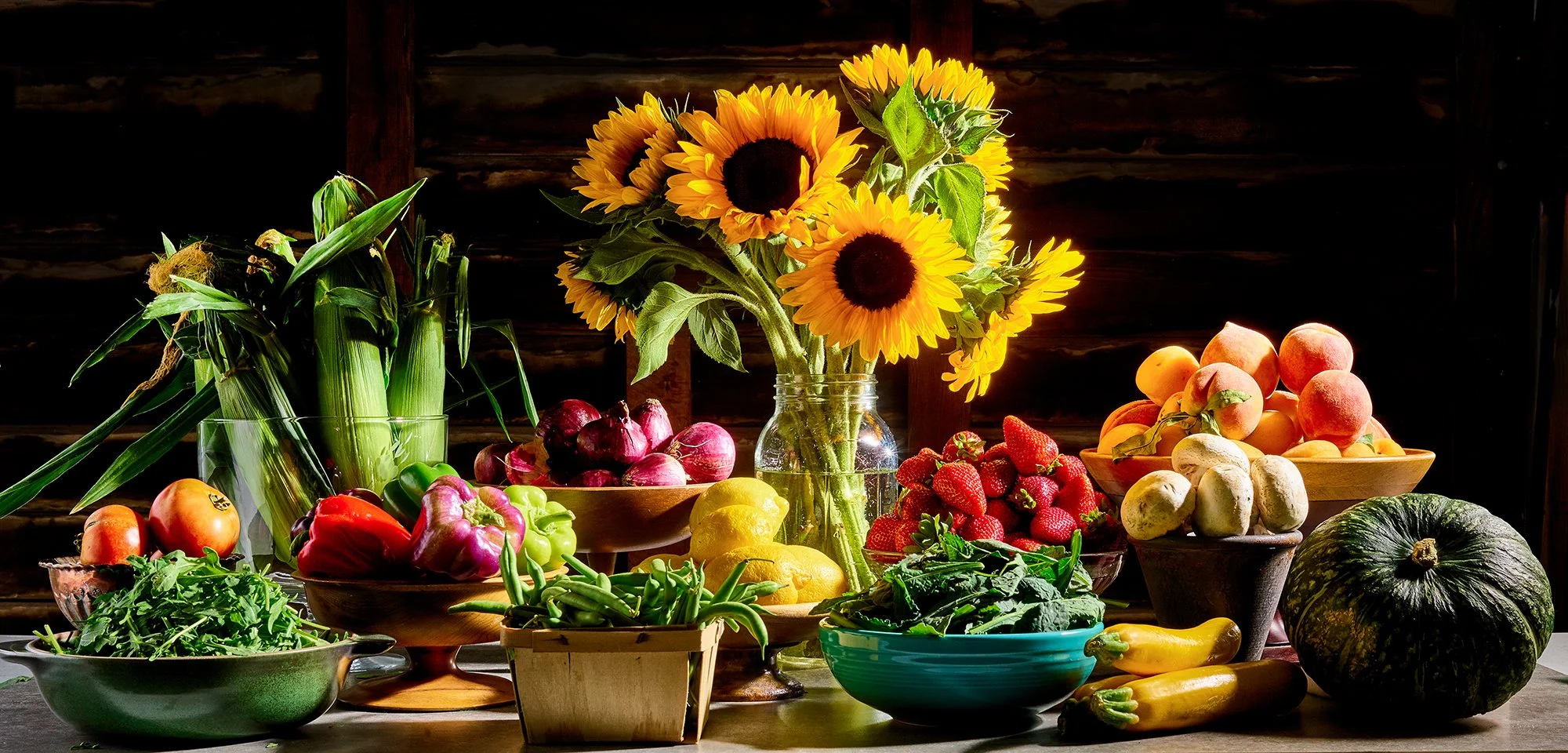
Fall is a favorite time of year for local produce! You get the tail end of summer plus a whole new batch of squash, apples, and pears coming into season!
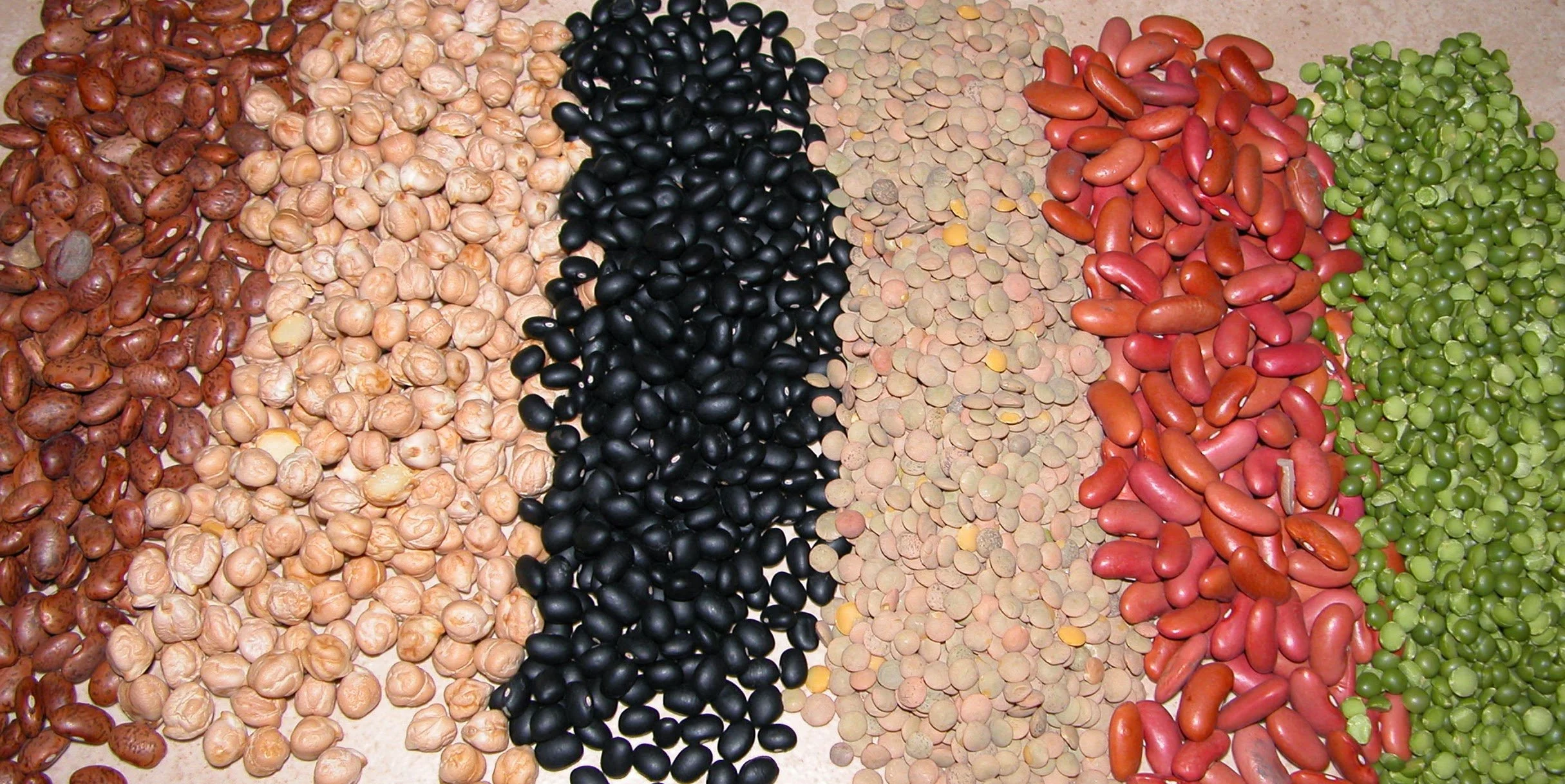
A recently published large data analysis in the open-access journal BMJ Nutrition Prevention & Health finds that eating more beans and soy foods may help reduce the chance of developing high blood pressure.
This Month’s Recipes

Chicken Lentil Veggie Soup
This huge pot of soup will be a hit every time you serve it! It is made from leftover roasted chicken, lentils, wild rice, and veggies.
Ingredients
- 2 cups lentils
- 8 cups low-sodium chicken broth
- 1 cup wild rice or brown rice
- 3 carrots, sliced
- 3 stalks celery, sliced
- 1/2 onion, diced
- 1 can diced tomatoes
- 1 can garbanzo beans
- 2 tablespoons Italian seasoning
- pinch red pepper
- 2 cups chicken meat, boneless, skinless
- 1 cup arugula or spinach
Instructions
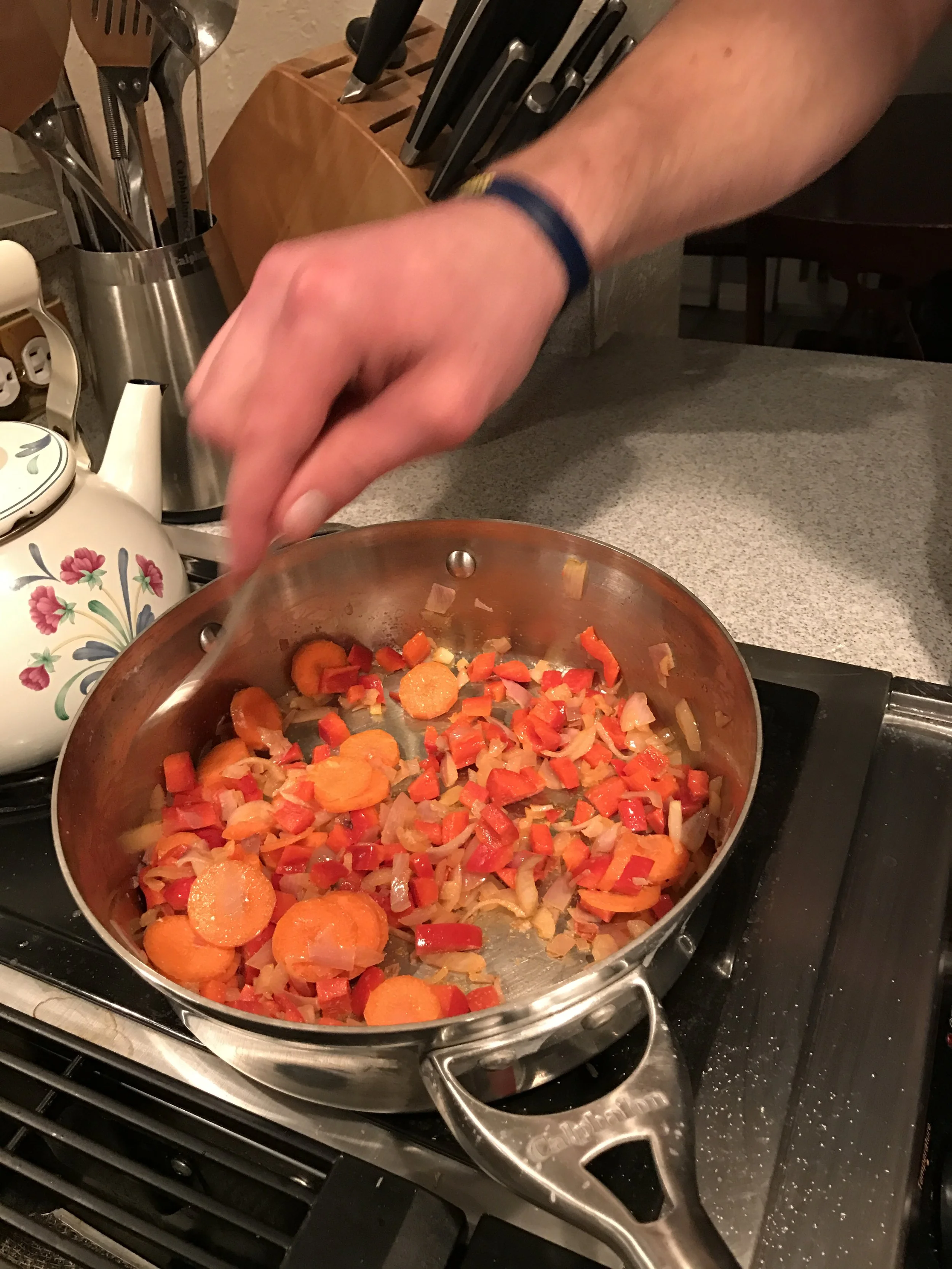
- Place the lentils, broth, celery, carrots, and seasonings in a large Dutch oven style pot or soup pot. Bring to a boil, lower to a simmer. Cook for 30 minutes.
- Add the tomatoes, garbanzo beans, greens, and chicken. Cook for another 20 minutes.
- Serve hot.
- Refrigerate or freeze leftovers.
Nutrition Facts
Calories
271Fat
3 gSat. Fat
1 gCarbs
42 gFiber
14 gNet carbs
28 gSugar
4 gProtein
22 gSodium
250 mgCholesterol
16 mgDid you make this recipe?

Kale and Apple Salad
Ingredients
- 1 bunch kale, rinsed, stems removed, sliced thin
- 1 apple, diced
- 1 cup mixed berries (raspberries, blueberries)
- 2 tablespoons apple cider vinegar
- 1 tablespoon olive oil
- salt and pepper to taste
Instructions
- Prepare the kale, rinse under cold running water in colander, pat dry and reserve.
- Slice the apples.
- Make the dressing: smash the berries in a large mixing bowl with a potato masher or fork. Add the oil and vineger and mix smooth.
- Toss the kale with the dressing, mixing well.
- Top with the apples.
- Season with salt and pepper to taste. Serve immediately or refrigerate up to a day.
Nutrition Facts
Calories
87.32Fat
4.31 gSat. Fat
0.57 gCarbs
12.52 gFiber
3.46 gNet carbs
9.04 gSugar
8.3 gProtein
1.23 gSodium
66.97 mgCholesterol
0 mgDid you make this recipe?
From The Blog:
Ready-to-print nutrition worksheets for every age group: kids MyPlate activities, adult worksheets, and a full MyPlate teaching workbook. Download the free PDFs and use them in your next lesson.
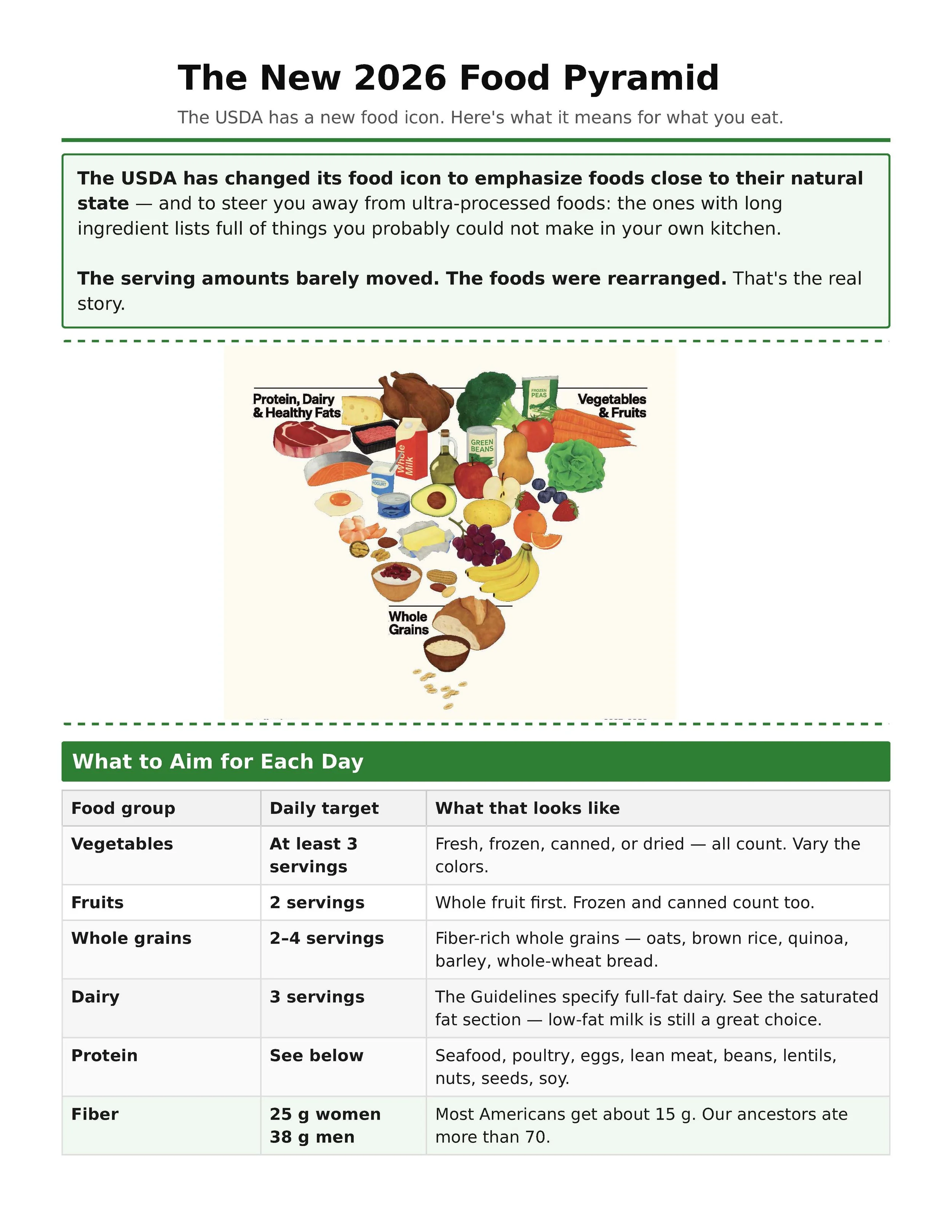
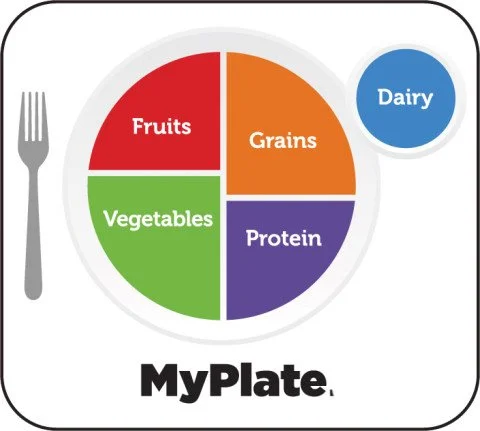
A plain-language guide to the new 2026 food pyramid, how it compares to MyPlate, and what it means for your lessons. Includes a free printable handout in English and Spanish.
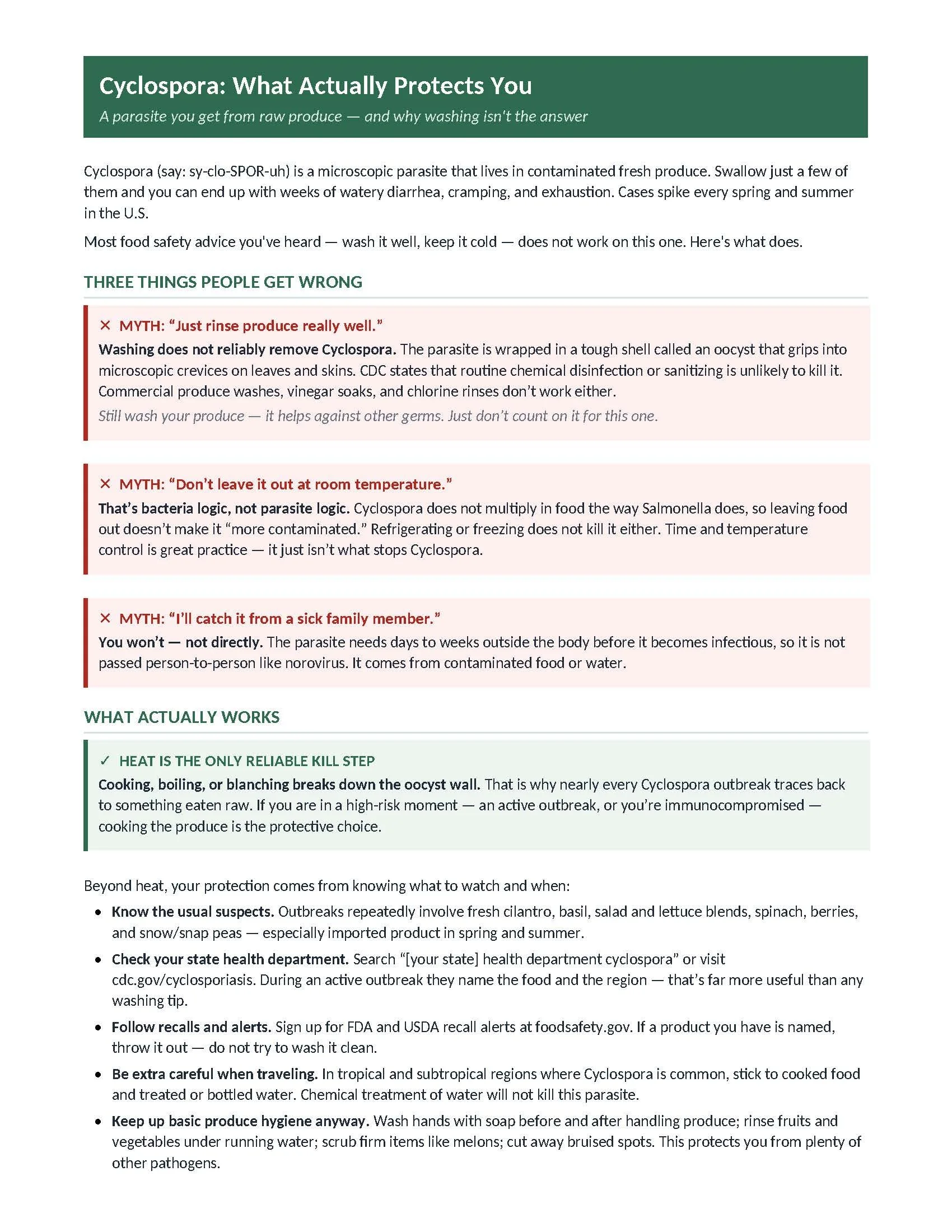
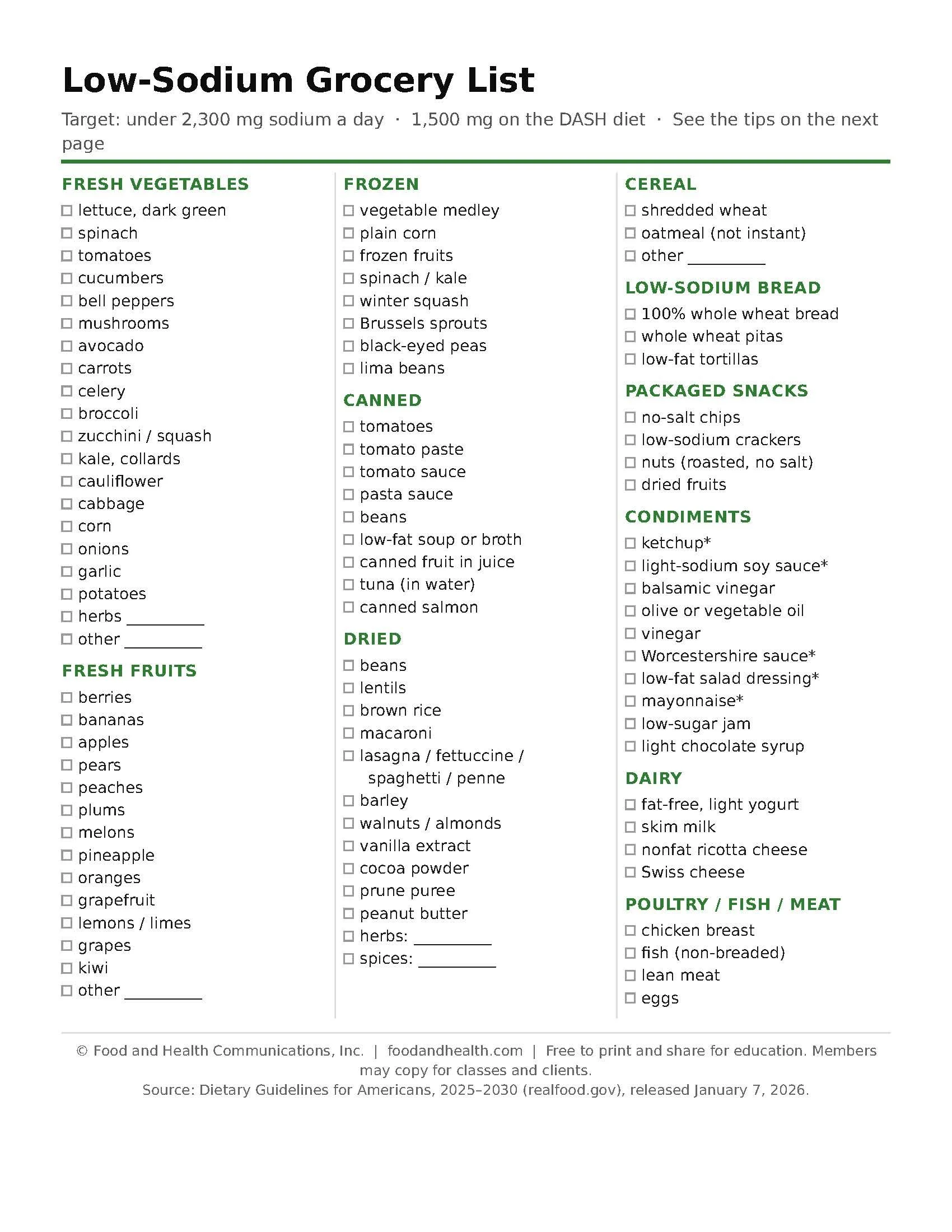
A dietitian-made low-sodium food list you can download, print, and hand out: the best low-sodium foods by group, plus a simple label-reading guide.
Functional foods can provide meaningful health benefits beyond basic nutrition. Consider fermented items such as kefir or sauerkraut, which deliver live probiotics that support gut health, or colorful berries that supply a concentrated source of antioxidants and phytochemicals. Making functional foods a regular part of your daily eating pattern is a practical and effective strategy to support digestion, immune function, and long‑term overall health.
MyPlate was the longest-running food guide icon in US history, and a new open-access research report makes the case that its process and resources should guide what comes next. We think every nutrition educator should read it.
People who eat 30 or more different plant foods each week have a more diverse gut microbiome than people who eat 10 or fewer. That is the finding from the Microsetta Initiative at UC San Diego, published in the journal mSystems.
If you've ever wondered why it feels harder than ever to get someone's full attention for a nutrition class, a cooking demo, or even a five-minute conversation about their health — it's not you. It's math.
Our brains are remarkably good at finding what isn't working. If you give them the opportunity, they'll happily come up with five, ten, or twenty reasons to quit.
But over the years, I've discovered a simple habit that changes the conversation.
Find three things you like right now.
Not tomorrow.
Not after you've reached your goal.
Right now.
Potassium is an essential mineral that helps regulate fluid balance, maintain healthy blood pressure, support muscle contractions, and keep nerves functioning properly. It also helps counteract some of the effects of excess sodium in the diet. Most adults need about 2,600 mg per day for women and 3,400 mg per day for men. Eating a variety of fruits, vegetables, beans, dairy foods, and fish can help you meet your daily potassium needs while supporting heart, muscle, and overall health.
But I am always micro-prepping, not just cooking a la minute!
It’s a simple, flexible strategy: whenever I cut up a head of kale or a watermelon, I process the whole thing and store the rest for later. I also prepare large batches of soups, pasta, chili, lentils, or pizza dough, freezing the leftovers for future busy days or keeping them in the fridge for a quick meal the next day. This method of prepping allows you to be a bit spontaneous and creative but you are always using your time wisely. Prep once and serve twice!
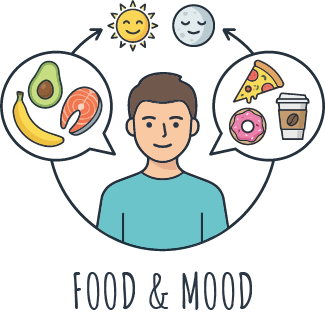
Here is a shopping list for foods to keep your brain powered and your mental health looking positive.
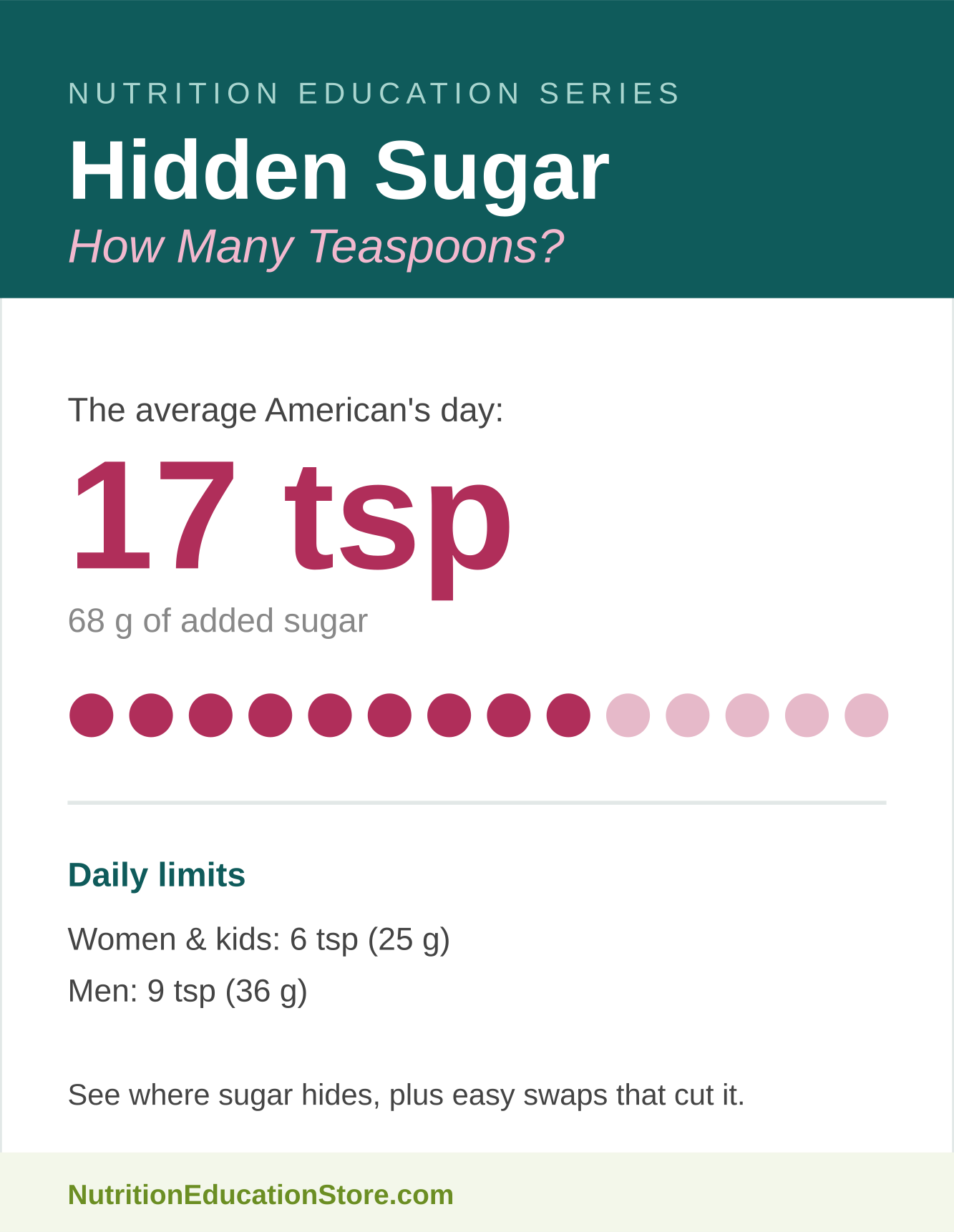
September Nutrition Education Resource Roundup - Over 60 New Products, free Handout Hub filled to the brim, September Hidden Sugar handout and special discount
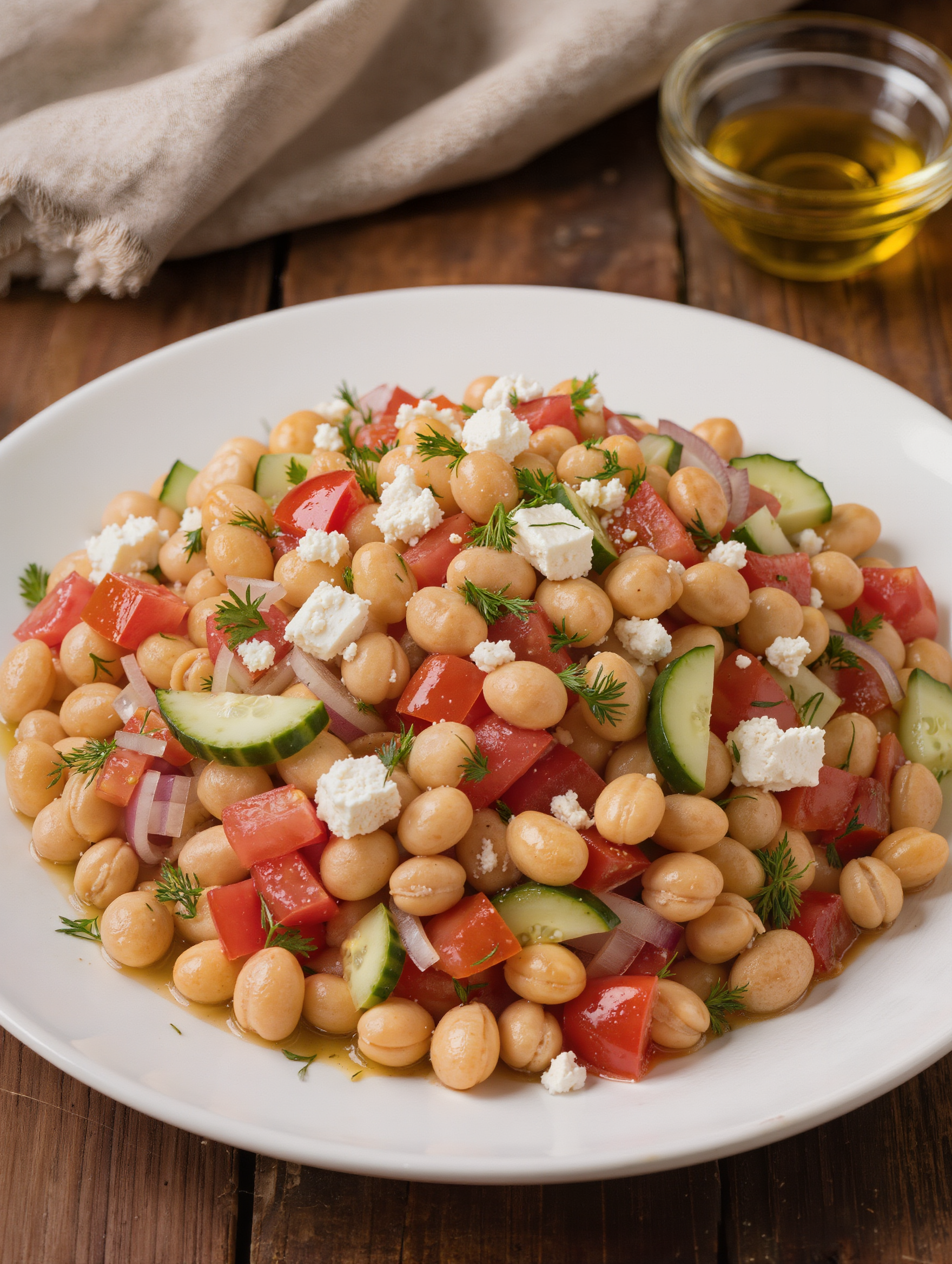
If you have spent any time on social media lately, you have probably seen dense bean salads. These hearty salads are packed with beans, vegetables, herbs, and flavorful dressings, creating a nutrient-rich meal that can be made ahead and enjoyed for several days. Unlike leafy green salads that wilt quickly, dense bean salads actually improve as they sit, allowing the flavors to blend together.
Cooking Demo Tool Kit:
These 15 strategies for smoother cooking demos are very easy to do and they will make your next one make you feel like a star!
There are many ways to add flavor to tea without sugar, but many people still think of it as a bitter and unpalatable drink. End the misconceptions by demonstrating just how easy it is to make delicious iced tea at home...
White whole wheat flour is super versatile and a real crowd-pleaser. Check out how it adds the perfect whole grain boost to these tasty chicken calzones!
Today I took some of the key messages from one of our most popular posts of all time (Teaching a Cooking Class: Tips and Tricks) and turned them into a colorful infographic for your perusal...
It’s Fresh Fruit and Vegetable Month, and what better way to celebrate than with a bright new strawberry dessert? Whipped cream, mango puree, and strawberries fresh from the market all come together to make this show-stopping dessert, which is topped with toasted almonds and freshly-chopped mint.
Are you ready to take your cooking demonstrations to the next level? In this post, I detail my cooking demo background and highlight some new ways to help students be creative.
NEW From Our Store:
Use code MEMBER15 for 15% off plus free shipping

Using a portable induction stove for a cooking demo is a great idea. Here are the pros, cons, and success tips.